Waffle Stitch Crochet: Complete Beginner-to-Intermediate Guide
Introduction
If you’re looking for a crochet texture that is bold, cozy, and visually striking, the waffle stitch crochet is one of the best techniques you can learn. Known for its deep, grid-like texture, this stitch creates a fabric that looks almost like a waffle — hence the name.
The beauty of the crochet waffle stitch lies in its ability to transform simple yarn into a rich, dimensional fabric. Whether you’re making blankets, scarves, dishcloths, or even garments, this stitch adds a professional and luxurious feel to your projects.
If you’ve ever wondered how to crochet waffle stitch patterns successfully, this guide will walk you through everything — from materials and basic stitches to advanced tips, troubleshooting, and creative ideas.
By the end of this post, you’ll feel confident working with any waffle stitch crochet pattern and customizing it for your own unique projects.
What Is the Waffle Stitch Crochet Pattern?
The waffle stitch crochet pattern is a textured stitch created by alternating standard double crochet stitches with front post double crochet stitches. This combination forms a raised grid that resembles the surface of a waffle.
Structure and Texture
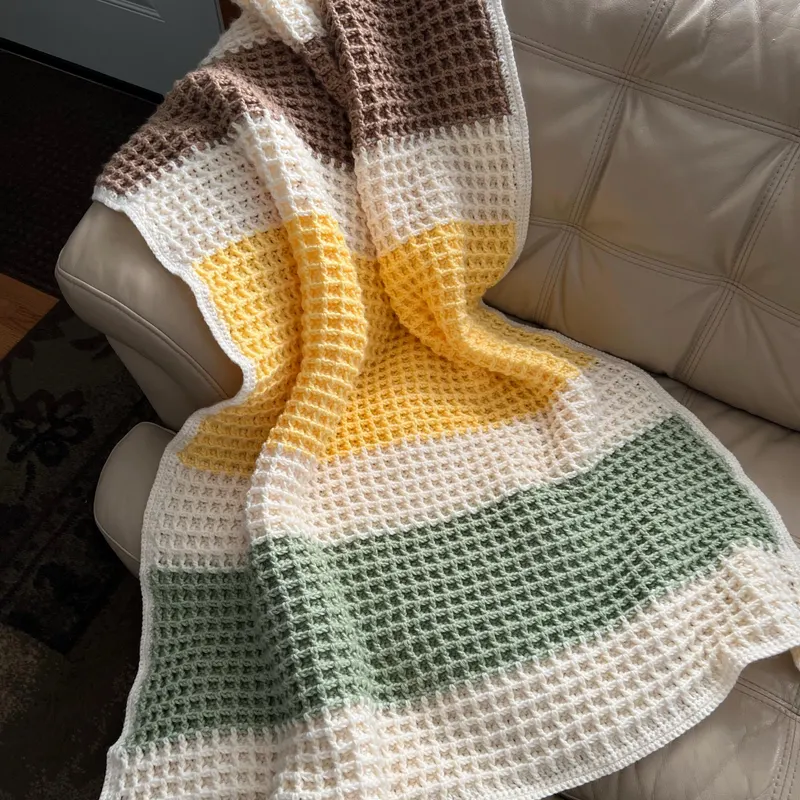
The defining feature of the waffle crochet stitch is its three-dimensional texture. The raised ridges are created by working around the posts of stitches from previous rows rather than into the top loops.
This matters because it gives your fabric depth and thickness. Unlike flat stitches, the waffle texture traps air, making it warmer and more insulating — ideal for cozy projects.
Why It’s Popular
One reason the waffle stitch crochet is so popular is its balance between simplicity and visual impact. The stitches themselves are repetitive and easy to learn, but the final result looks complex and high-end.
This is important for crocheters who want to elevate their work without mastering overly complicated techniques. It provides a big visual payoff with relatively simple execution.
Common Uses
You’ll often see the waffle stitch crochet pattern used in:
- Blankets and throws
- Dishcloths and washcloths
- Scarves and hats
- Baby items
- Home décor pieces
Its durability and texture make it both practical and decorative.
Materials Needed
Choosing the right materials will directly impact how your waffle stitch crochet project turns out.
Yarn Selection
Different yarns create different effects in the waffle stitch.
- Cotton yarn: Best for dishcloths due to absorbency and durability
- Acrylic yarn: Great for blankets and beginner-friendly projects
- Wool or blends: Ideal for warm, cozy items like scarves
This matters because the texture of the crochet waffle stitch is more visible with yarns that have good stitch definition.
Hook Size
The hook size influences the density and flexibility of your fabric.
- Smaller hook → tighter, denser texture
- Larger hook → softer, more flexible result
Using the right hook ensures your waffle stitch crochet pattern doesn’t become too stiff or too loose.
Essential Tools
Our Recommended Tools and Yarn
Using the proper tools improves your overall experience and results.
- Cotton Yarn
- Crochet hook (based on yarn label)
- Stitch markers
- Tapestry needle
- Sharp scissors
- Measuring tape
- Blocking mat
These tools help maintain consistency and give your project a polished finish.
Basic Stitches You Should Know
Before starting the waffle stitch crochet, you should understand a few foundational stitches.
Chain (ch)
The chain stitch creates the base for your project. It determines the width and starting structure.
This matters because uneven chains can lead to uneven edges in your final piece.
Double Crochet (dc)
Double crochet stitches form the flat portions of the waffle pattern.
They provide height and structure, making them essential for maintaining the pattern’s rhythm.
Front Post Double Crochet (fpdc)
This is the key stitch in the waffle crochet stitch.
Instead of inserting the hook into the top loops, you wrap it around the post of the stitch below. This creates the raised texture.
This stitch is crucial because it defines the waffle pattern’s signature grid look.
👉 If you’re unsure about these stitches, check a beginner stitch guide before continuing.
Step-by-Step Waffle Stitch Crochet Tutorial
Learning how to crochet waffle stitch becomes easy when broken into steps.
Step 1: Create the Foundation Chain
Start with a chain in multiples of 3, plus 2 extra chains.
This matters because the pattern relies on consistent stitch counts. Incorrect multiples will break the design.
Step 2: First Row (Double Crochet)
Work one double crochet into each chain.
This row forms the base and ensures a stable foundation for the textured rows that follow.
Step 3: Second Row (Texture Begins)
Alternate between double crochet and front post double crochet.
This is where the waffle stitch crochet pattern starts to appear. The raised stitches begin forming the grid.
Step 4: Third Row (Offset Pattern)
Switch the placement of stitches.
Where you previously worked a front post stitch, you now work a regular double crochet, and vice versa.
This alternating pattern creates the classic waffle texture.
Step 5: Repeat the Pattern
Continue alternating rows.
This repetition builds the full texture. Always keep track of your stitch placement to maintain consistency.
Step 6: Finish and Edge
End with a row of double crochet or a border.
This helps stabilize the edges and gives your project a clean finish.
Prefer a Printable PDF Pattern?
Using a waffle stitch crochet pattern PDF can make your crochet process much smoother, especially for larger or long-term projects.
A PDF allows you to work offline without distractions. This is particularly helpful when you want to focus entirely on your stitches instead of scrolling through a screen.
Another advantage is organization. A well-designed PDF usually includes step-by-step instructions, stitch abbreviations, and sometimes diagrams. This clarity reduces confusion and helps you follow the crochet waffle stitch pattern more efficiently.
Additionally, printable PDFs allow you to track your progress. You can mark completed rows, note adjustments, and plan color changes. This becomes especially important when working on blankets or multi-piece projects.
A practical tip is to keep your printed pattern in a protective sleeve or binder. This keeps it clean and easy to reuse for future projects.
Click here to Access the complete PDF pattern on Etsy.
Prefer to Learn with a Video Tutorial?
If you’re a visual learner, a video tutorial is one of the best ways to understand how to crochet waffle stitch techniques.
Watching the process in real time helps you see exactly how the hook moves around the post stitches. This is especially useful for mastering the front post double crochet, which can feel confusing when only described in text.
Videos also allow you to pause, rewind, and replay difficult sections. This flexibility helps you learn at your own pace and avoid mistakes early in the process.
Combining written instructions with video guidance gives you a complete learning experience. You understand both the logic behind the pattern and the physical technique required.
A helpful tip is to watch the entire video once before starting. This gives you a clear understanding of the overall structure of the waffle stitch crochet pattern.
Color Ideas for Waffle Stitch Crochet
Neutral & Cozy Tones
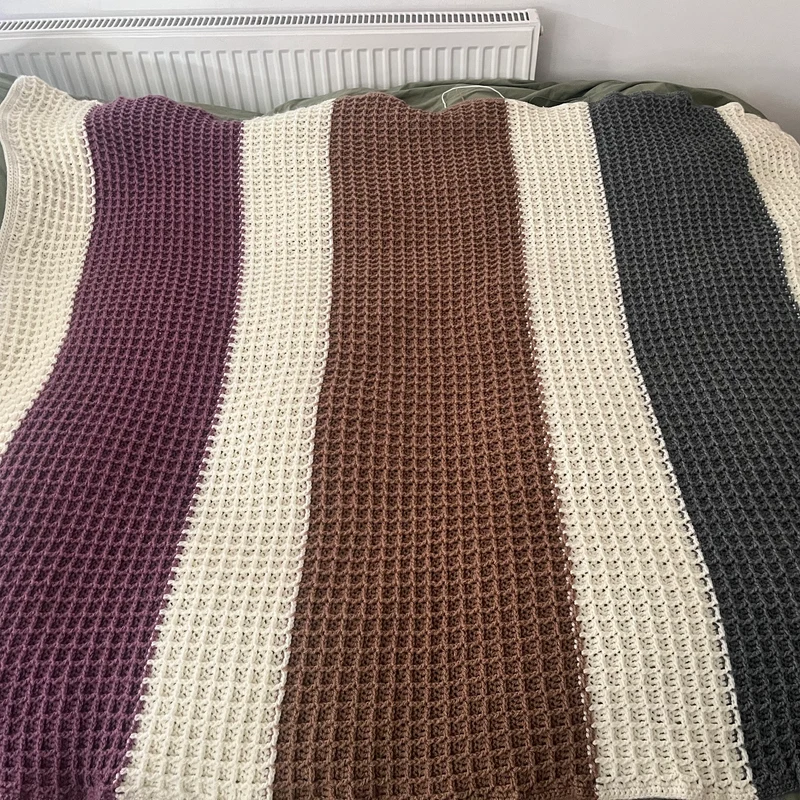
Neutral colors like beige, cream, and soft gray create a warm and timeless look when working with the waffle stitch crochet. These tones highlight the texture without overwhelming the design, allowing the raised grid pattern to stand out naturally.
This matters because the waffle texture already adds visual complexity. Using subtle colors ensures the pattern remains elegant rather than busy. The result is a clean, cozy aesthetic perfect for blankets and home décor.
To apply this, choose one or two neutral shades and keep the design minimal. This approach works especially well for modern interiors and gift items.
Bold & High-Contrast Colors
Using bold color combinations can dramatically enhance the appearance of the crochet waffle stitch. Colors like black and white, navy and mustard, or teal and orange create strong visual contrast.
This contrast matters because it emphasizes the depth of the waffle texture. Each raised section becomes more defined, making the pattern pop visually.
To use this effectively, alternate colors every few rows or use contrasting borders. This technique is ideal for statement pieces and social media-worthy projects.
Soft Pastels for Light Projects
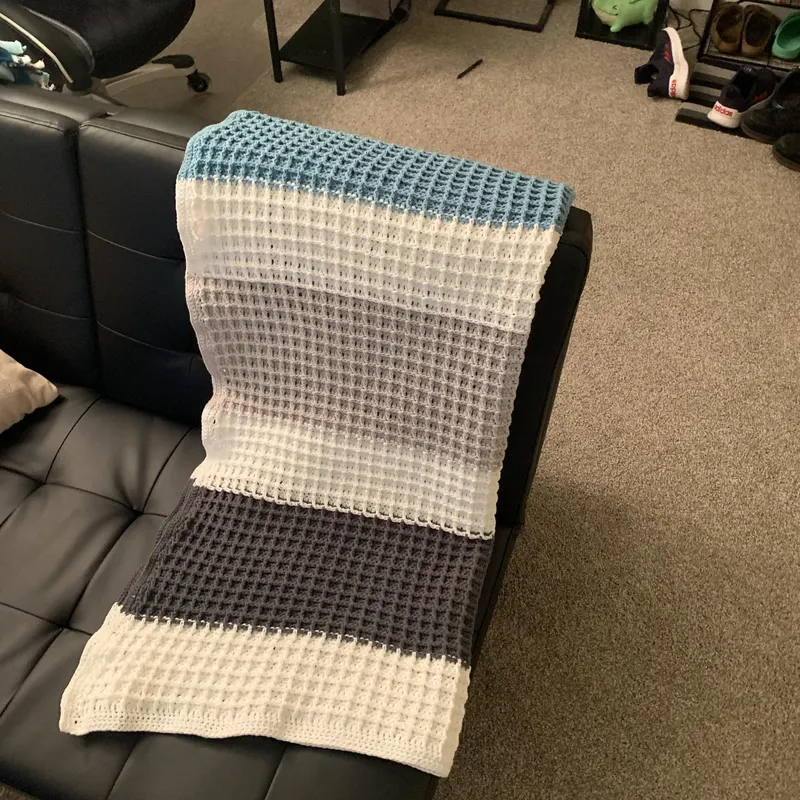
Pastel shades like baby blue, lavender, and mint green create a softer version of the waffle stitch crochet pattern. These colors are perfect for baby blankets and spring-themed projects.
This matters because softer tones reduce the heaviness of the texture, making the piece feel lighter and more delicate.
To apply this, use gradual color transitions or keep a consistent pastel palette throughout the project.
Size & Project Ideas
Blankets & Throws
The waffle stitch crochet is one of the best choices for blankets due to its thickness and warmth. The textured fabric traps heat, making it ideal for cozy throws and winter blankets.
This matters because functionality is just as important as appearance. A waffle stitch blanket not only looks beautiful but also provides excellent insulation.
To apply this, create a large rectangle or combine multiple panels. Adjust your yarn weight depending on the desired thickness.
Dishcloths & Washcloths
This stitch is perfect for dishcloths because of its texture and durability. The raised grid helps scrub surfaces effectively.
This matters because practical projects benefit from texture. The waffle stitch adds functionality beyond aesthetics.
Use cotton yarn for best results and create smaller squares for quick projects.
Wearable Projects
The waffle crochet stitch works well for scarves, hats, and even sweaters. The texture adds visual interest while keeping the fabric warm.
This is important because wearable items need both comfort and style. The waffle stitch provides both when used with the right yarn.
Choose softer yarns for better drape and comfort.
Tips for Better Results
Maintain Even Tension
Consistent tension ensures that your waffle stitch crochet looks uniform. Uneven tension can cause some areas to appear tighter or looser than others, which affects the overall texture.
This matters because the waffle pattern relies on symmetry. If the stitches vary in size, the grid effect becomes distorted.
To apply this, focus on keeping your hand movements steady and relaxed. Practice on small swatches before starting larger projects.
Count Your Stitches Regularly
Keeping track of your stitch count is essential when working on a waffle stitch crochet pattern. Missing or adding stitches can break the pattern sequence.
This matters because the waffle texture depends on precise placement of front post and double crochet stitches. Even a small mistake can disrupt the design.
Make it a habit to count stitches at the end of each row to ensure accuracy.
Use the Right Yarn for Texture
Choosing yarn with good stitch definition enhances the look of the crochet waffle stitch. Some yarns can appear too fuzzy, hiding the texture.
This matters because the visual appeal of the waffle stitch comes from its raised pattern. Poor yarn choice can reduce its impact.
Opt for smooth yarns that clearly show stitch structure.
Troubleshooting Waffle Stitch Crochet
Fabric Too Stiff
If your waffle stitch crochet feels too stiff, it’s likely due to tight tension or a hook that is too small. This can make the fabric uncomfortable and difficult to work with.
This matters because stiffness affects both usability and appearance. A stiff fabric won’t drape well in blankets or garments.
To fix this, switch to a larger hook and relax your tension slightly.
Pattern Not Visible
If the waffle texture isn’t showing clearly, you may not be placing your front post stitches correctly. This can flatten the design and reduce its signature look.
This matters because the entire purpose of the stitch is its texture. Without it, the pattern loses its identity.
Double-check your stitch placement and ensure you are working around the post, not into the top loops.
Uneven Edges
Uneven edges often occur when stitches are missed at the beginning or end of rows. This can make your project look unfinished.
This matters because clean edges are essential for joining pieces or adding borders.
To fix this, count your stitches and consider using stitch markers to mark the first and last stitch.
Care Instructions
Washing Your Crochet Piece
Proper washing helps maintain the quality of your waffle stitch crochet project. Most items should be hand-washed using cold water and a mild detergent.
This matters because harsh washing can damage the yarn fibers and flatten the texture. The waffle pattern relies on its raised structure to look its best.
To apply this, gently soak your piece and avoid wringing it out. Instead, press out excess water carefully.
Drying Techniques
Drying your crochet item correctly is just as important as washing it. Always lay your project flat to dry rather than hanging it.
This matters because hanging can stretch the fabric and distort the waffle pattern. Maintaining the shape ensures your project keeps its structure.
Reshape your item while it’s damp to preserve its original dimensions.
Storage Tips
Storing your waffle stitch crochet pattern projects properly helps them last longer. Keep them in a cool, dry place away from direct sunlight.
This matters because exposure to moisture or sunlight can weaken fibers and fade colors. The texture may also lose its definition over time.
Use breathable storage bags or containers to protect your items.
What the Community Says
Ease of Learning
Many crocheters in the community agree that learning the waffle stitch crochet is surprisingly manageable, even though it looks complex at first glance. Beginners often report that once they understand the rhythm between double crochet and front post stitches, the pattern becomes intuitive and repetitive.
This matters because confidence is key when learning new techniques. When a pattern feels approachable, crocheters are more likely to complete projects and continue developing their skills. The accessibility of the crochet waffle stitch makes it a popular recommendation in beginner groups and forums.
Visual Appeal and Social Media Popularity
The waffle stitch is frequently praised for its strong visual impact. On platforms like Pinterest and Instagram, projects using the waffle stitch crochet pattern tend to perform very well because of their bold texture.
This matters because visual appeal often determines whether a project gets shared or saved. The raised grid pattern photographs beautifully, making it ideal for content creators and handmade sellers.
Many users highlight that even simple color choices can look impressive due to the texture alone.
Practical Use and Durability
Another common point of feedback is the practicality of the waffle crochet stitch. Crocheters appreciate that it’s not just decorative but also functional, especially for items like dishcloths and blankets.
This matters because durability is important for everyday use. The thick fabric created by this stitch holds up well over time and frequent washing.
Overall, the community views this stitch as a perfect combination of beauty and functionality.
Why This Pattern
Rich Texture and Depth
The most obvious reason to choose the waffle stitch crochet is its texture. The raised grid design adds depth that few other stitches can achieve.
This matters because texture elevates a project from simple to visually striking. It creates a tactile experience that makes handmade items feel more luxurious.
Applying this stitch ensures your work stands out, even with basic yarn and colors.
Beginner-Friendly Complexity
Although it looks advanced, the crochet waffle stitch is based on simple, repetitive techniques. This makes it accessible to beginners who are ready to move beyond basic stitches.
This matters because learning new skills should feel achievable, not overwhelming. The waffle stitch provides a great stepping stone into more textured patterns.
By practicing this stitch, you build confidence and expand your crochet abilities.
Versatility Across Projects
The waffle stitch crochet pattern can be used in a wide range of projects, from home décor to wearable items. Its adaptability makes it a valuable addition to any crocheter’s skill set.
This matters because versatility allows you to maximize your creativity. Instead of learning multiple stitches, you can use one technique in different ways.
Applying this pattern across projects helps you create cohesive and professional-looking collections.
FAQs
What is the waffle stitch crochet?
The waffle stitch crochet is a textured pattern created by alternating double crochet and front post double crochet stitches. This combination forms a raised grid that resembles a waffle. It is popular for its thickness and visual appeal. This stitch is commonly used in blankets, dishcloths, and scarves.
Is the crochet waffle stitch beginner-friendly?
Yes, the crochet waffle stitch is beginner-friendly if you already know basic stitches like double crochet. While the front post technique may take some practice, it becomes easier with repetition. Many beginners successfully learn it through step-by-step tutorials. Starting with small projects can help build confidence.
How do I keep my waffle stitch from becoming too tight?
To prevent your waffle stitch crochet from becoming too tight, use a slightly larger hook and maintain relaxed tension. Tight stitches can make the fabric stiff and difficult to work with. Practicing on a sample swatch can help you find the right balance. Adjusting your grip on the yarn also improves flexibility.
What projects are best for the waffle stitch crochet pattern?
The waffle stitch crochet pattern works best for projects that benefit from texture and warmth. Popular choices include blankets, dishcloths, scarves, and pillow covers. Its durability makes it suitable for everyday use items. Choosing the right yarn will enhance the final result.
Why is my waffle stitch not showing clearly?
If your waffle crochet stitch isn’t visible, you may not be placing the front post stitches correctly. This stitch must wrap around the post, not go through the top loops. Using yarn with better stitch definition can also help. Double-checking your technique will improve the texture.
Can I use multiple colors in waffle stitch crochet?
Yes, you can absolutely use multiple colors in waffle stitch crochet projects. Color changes can enhance the texture and create unique designs. Many crocheters alternate colors every few rows for contrast. Planning your color scheme in advance ensures a balanced look.
Conclusion
The waffle stitch crochet is one of the most rewarding techniques you can learn. It combines simplicity, texture, and versatility in a way that few other stitches can match.
By mastering the crochet waffle stitch, you open the door to creating cozy, durable, and visually stunning projects. Whether you’re making blankets, dishcloths, or wearables, this pattern adapts beautifully to your needs.
Take your time, practice consistently, and enjoy the process. With each row, you’ll see your skills grow and your projects come to life.
See Also
- Crochet Tulip Blanket: A Beautiful Floral Pattern for Cozy Creations
- Crochet Mini Shorts Free Pattern – Easy Guide for Beginners
- Bobble Heart Crochet Blanket – Free Pattern + Video Tutorial
- Sea Life Quiet Book Crochet Pattern – A Fun & Educational Project for Kids
Follow Us
Looking for more waffle stitch crochet ideas and trending patterns?
Follow us on Pinterest for daily inspiration
Join our Facebook group and connect with other crocheters
We share new patterns every day — don’t miss out!