Stained Glass Crochet Pattern: A Complete Guide to Creating Stunning Designs
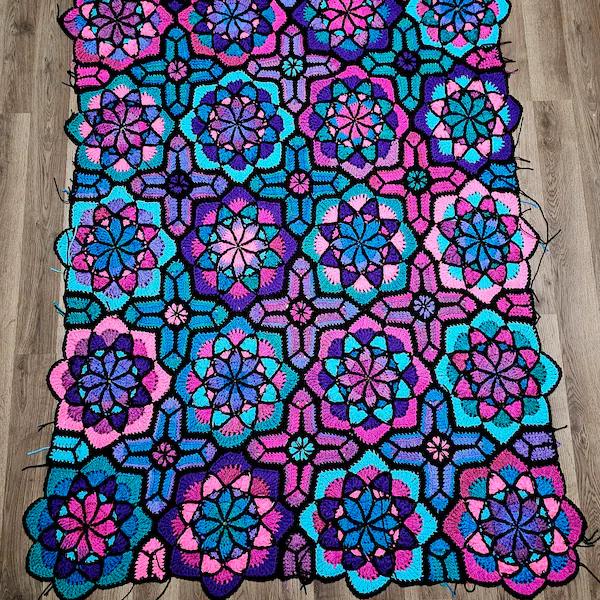
If you’re looking to create a crochet project that truly stands out, stained glass crochet is one of the most eye-catching and artistic techniques you can explore. Inspired by traditional stained glass windows, this crochet style uses bold outlines and vibrant color blocks to create striking geometric or pictorial designs.
In this complete guide, you’ll learn everything about the stained glass crochet pattern, from materials and stitches to tips, troubleshooting, and creative ideas. Whether you want to make a stained glass crochet blanket or experiment with smaller projects, this tutorial will walk you through it step by step.
What Is Stained Glass Crochet?
Stained glass crochet is a technique that mimics the look of stained glass by combining bold outlines (usually black yarn) with colorful sections. The result is a mosaic-like design that looks intricate but is surprisingly achievable.
Unlike traditional granny squares, stained glass crochet relies on:
- Color contrast
- Structured shapes
- Strategic stitch placement
This method is often used to create:
- Blankets
- Wall hangings
- Pillow covers
- Decorative panels
The pattern you’re exploring—like the Haunted Hook design—adds a creative twist with themed imagery, making it perfect for seasonal or statement pieces.
Materials You’ll Need
Choosing the right materials is essential for achieving clean lines and vibrant contrast in your stained glass crochet project.
Yarn Selection
The yarn you choose directly affects how your final piece looks and feels.
- Acrylic yarn: Great for beginners and blankets
- Cotton yarn: Offers crisp stitch definition
- Blended yarn: Combines softness and durability
For stained glass crochet, high contrast is key:
- Black (or dark) for outlines
- Bright or pastel colors for panels
Hook Size
Hook size impacts the structure of your design:
- Smaller hook → tighter stitches, cleaner outlines
- Larger hook → looser, more flexible fabric
Always follow yarn label recommendations, but adjust based on your tension.
Essential Tools
- Stitch markers
- Tapestry needle
- Sharp scissors
- Measuring tape
- Blocking board
Basic Stitches You Should Know
Before starting a stained glass crochet pattern, you need to understand a few foundational stitches.
If you’re new to crochet, be sure to check a Crochet Basics guide before diving in.
Chain (ch)
The chain stitch forms the base of most crochet projects. In stained glass crochet, it helps create spacing and structure.
Slip Stitch (sl st)
Slip stitches are used to join rounds and keep transitions smooth and nearly invisible.
Single Crochet (sc)
This stitch is often used for outlines because it creates a dense and defined texture.
Double Crochet (dc)
Double crochet adds height and is commonly used in color sections to build the design.
Color Changes
Switching colors cleanly is critical in stained glass crochet. This technique defines the “glass” sections and must be done carefully to avoid messy transitions.
Step-by-Step: How to Crochet a Stained Glass Pattern
Learning how to crochet a stained glass design becomes easier when you break it into steps.
Step 1: Start with a Foundation
Begin with a chain or base row depending on your pattern. This sets the width of your project.
Step 2: Create the Outline Grid
Work with black (or dark yarn) to create the “leading” lines that mimic stained glass outlines.
Step 3: Add Color Sections
Switch to colored yarns and fill in sections using your chosen stitches.
Step 4: Maintain Clean Edges
Always complete the last yarn-over of a stitch with the new color to ensure smooth transitions.
Step 5: Repeat the Pattern
Follow the chart or written instructions row by row.
Step 6: Finish and Block
Once complete, block your piece to even out stitches and enhance the design.
💡 Pro Tip: Always carry unused yarn neatly along the back to avoid tangling.
Understanding the Pattern Structure
Most stained glass crochet patterns follow a chart-based structure.
Grid Layout
Each square represents a stitch, making it easier to visualize the design.
Color Coding
Patterns use symbols or colors to indicate yarn changes.
Repetition
Many designs repeat sections, which simplifies larger projects like blankets.
Our Recommended Tools and Yarn
Using the right tools can make a huge difference in your results.
Recommended Yarn Options
- Acrylic yarn (budget-friendly and durable)
- Cotton yarn (best for crisp designs)
- High-contrast color sets
👉 Check on Amazon for beginner-friendly yarn kits and color packs.
Must-Have Tools
👉 Check on Amazon for complete crochet starter kits.
Using quality tools helps you maintain consistency and reduces hand fatigue during long projects.
Printable PDF Pattern
A printable pattern makes your crochet experience much smoother, especially for complex designs like stained glass crochet.
A good PDF pattern allows you to:
- Follow instructions offline
- Print and annotate
- Track progress easily
The featured pattern (like the Haunted Hook design) includes:
- Written instructions
- Chart diagrams
- Color guides
👉 Get the full stained glass crochet pattern on Etsy here.
Using a PDF helps you stay organized and reduces mistakes, especially in large projects like a stained glass crochet blanket.
Video Tutorial
If you’re a visual learner, combining written instructions with a video tutorial is extremely helpful.
Video tutorials allow you to:
- See stitch placement in real time
- Understand color transitions
- Pause and rewind as needed
💡 Tip: Watch the full video once before starting, then follow along step-by-step.
Color Ideas for Stained Glass Crochet
Choosing the right colors is one of the most important parts of creating a stunning stained glass crochet project.
Bold Contrast Palettes
Bold contrast is the defining feature of stained glass crochet. Using a dark outline with bright or vivid colors creates a dramatic and visually striking effect that closely resembles real stained glass. This matters because contrast enhances stitch definition and makes the pattern easier to read visually. Without strong contrast, the design can appear flat or unclear. To apply this, always pair a deep outline color like black or navy with lighter or more saturated tones. This approach ensures your finished project has maximum visual impact.
- Black + jewel tones
- Navy + neon shades
- Dark gray + bright pastels
Soft Pastel Designs
Pastel palettes create a softer, more delicate interpretation of stained glass crochet. This style works well for baby blankets or calming home décor. The importance of this approach lies in its ability to maintain the stained glass structure while offering a gentler aesthetic. It impacts the overall mood of your project, making it feel cozy and inviting. To use this palette effectively, keep outlines slightly darker than the pastel shades to preserve definition.
- Lavender, mint, baby blue
- Cream outlines instead of black
Seasonal Themes
Seasonal color palettes allow you to tailor your stained glass crochet pattern to specific occasions or holidays. This matters because themed projects are highly popular for gifts and social media sharing. It also helps your work feel timely and relevant. To apply this, choose colors associated with a season and repeat them consistently across your design.
- Halloween: orange, black, purple
- Christmas: red, green, gold
- Spring: floral pastels
Multi-Color Artistic Layouts
Using multiple colors within a single piece creates a mosaic-like effect that enhances the stained glass illusion. This technique matters because it adds complexity and uniqueness to your project. It impacts how visually engaging your piece is, especially from a distance. To apply this, plan your color distribution in advance and balance bold and subtle tones.
Size & Project Ideas
Stained glass crochet is incredibly versatile and can be adapted to many types of projects.
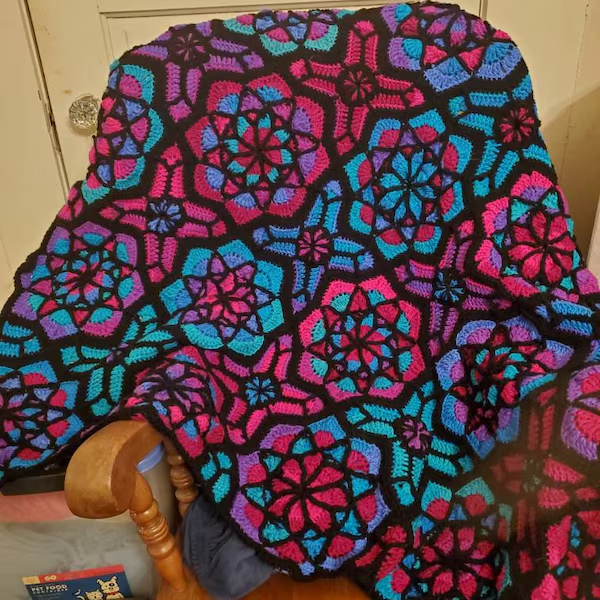
Stained Glass Crochet Blanket
A stained glass crochet blanket is one of the most popular applications. It allows you to fully showcase the pattern’s beauty on a large scale. This matters because larger projects highlight the intricate details of the design. The impact is a statement piece that becomes a focal point in any room. To create one, repeat pattern blocks and join them carefully to maintain alignment.
Wall Hangings
Wall hangings are perfect for showcasing artistic designs without the commitment of a large blanket. This option matters because it allows you to experiment with patterns and colors. It impacts your ability to create decorative pieces quickly. To apply this, use a sturdy yarn and consider adding a wooden dowel for hanging.
Wearable Projects
Garments like cardigans or shawls can incorporate stained glass crochet panels. This matters because it transforms wearable items into unique fashion statements. The impact is a one-of-a-kind handmade piece. To apply this, use softer yarns and ensure proper sizing.
Small Accessories
Smaller projects like pillow covers or bags are ideal for beginners. These matter because they are quicker to complete and less overwhelming. The impact is faster skill development and satisfaction. Apply this by starting with simple patterns before moving to larger designs.
Tips for Better Results
Maintain Even Tension
Consistent tension ensures your stitches are uniform and your design remains balanced. This matters because uneven tension can distort the pattern and affect alignment. The impact is especially noticeable in geometric designs like stained glass crochet. To apply this, practice maintaining steady hand movements and check your work frequently.
Plan Color Changes Carefully
Color transitions define the stained glass effect. This matters because sloppy changes can ruin the clean look. The impact is a more polished and professional finish. Apply this by completing the last yarn-over with the new color.
Use Stitch Markers
Markers help you track sections and prevent mistakes. This matters because stained glass patterns often involve repeated sections. The impact is fewer errors and easier corrections. Apply this by marking key points in your pattern.
Block Your Work
Blocking improves shape and stitch definition. This matters because it enhances the final appearance. The impact is a cleaner, more professional result. Apply this by lightly wetting and shaping your piece.
Troubleshooting
Uneven Edges
Uneven edges often result from missed stitches or incorrect counts. This matters because it affects the overall symmetry of your project. The impact is a distorted final piece. To fix this, count stitches at the end of each row.
Color Bleeding
Improper yarn selection can cause colors to bleed. This matters because it ruins contrast. The impact is a less defined design. Use colorfast yarn and test before starting.
Twisting or Warping
Warping occurs when tension is inconsistent. This matters because it affects usability. The impact is a project that won’t lay flat. Adjust your hook size and tension.
Care Instructions
Washing
Hand washing is recommended to preserve color and structure. This matters because machine washing can damage stitches. The impact is longer-lasting projects. Use mild detergent and cold water.
Drying
Lay flat to dry to maintain shape. This matters because hanging can stretch the fabric. The impact is better durability. Reshape while damp.
Storage
Store in a cool, dry place. This matters because moisture can damage yarn. The impact is preserved quality. Avoid direct sunlight.
What the Community Says
Ease of Learning
Many crocheters say stained glass crochet looks complex but is surprisingly manageable. This matters because it encourages beginners to try it. The impact is increased confidence and skill growth. Most recommend starting with small projects.
Visual Appeal
The visual impact is one of the biggest highlights. This matters because it makes projects highly shareable. The impact is strong engagement on platforms like Pinterest. Bright colors and bold outlines are especially জনপ্র.
Gift Potential
Handmade stained glass crochet items are popular gifts. This matters because they feel unique and personal. The impact is higher perceived value. Many users create blankets and wall art for special occasions.
Why This Pattern
Unique Aesthetic
The stained glass effect creates a one-of-a-kind look. This matters because it stands out from traditional crochet. The impact is a more artistic finished piece.
Versatility
This pattern works for many projects. This matters because it offers flexibility. The impact is more creative freedom.
Beginner-Friendly Structure
Despite its appearance, the pattern is approachable. This matters because it lowers the barrier to entry. The impact is faster learning.

FAQs
What is stained glass crochet?
It’s a crochet technique that mimics stained glass using bold outlines and colorful sections. It creates a mosaic-like effect.
Is there a stained glass crochet free pattern?
Yes, many free patterns are available online, though premium PDFs often include more detailed instructions.
Can beginners try stained glass crochet?
Yes, as long as you know basic stitches and color changes.
What yarn is best?
Cotton or acrylic yarn with high contrast works best.
How long does it take?
It depends on the project size, but small pieces can be completed in a few hours.
See Also
- Crochet Basics Guide
- Granny Square Patterns
- Crochet Abbreviations (US vs UK): Complete Beginner Guide
- Magic Circle Crochet (Magic Ring) – Easy Step-by-Step Guide
- Sophie Hood Crochet Pattern – Easy & Cozy Hoodie Tutorial for All Skill Levels
- African Flower Granny Square — Free Crochet Pattern (Step-by-Step)
Follow Us
Follow us on Pinterest and Facebook for more crochet inspiration and trending patterns.
Final Thoughts
Stained glass crochet is a beautiful way to elevate your crochet skills and create truly artistic projects. With the right materials, techniques, and practice, you can transform simple stitches into stunning designs.
For more inspiration, revisit guides like the willow granny square tutorial and explore how different crochet styles can expand your creativity.