
🧶✨ Tunisian Crochet: A Complete Guide to Projects, Patterns, and Modern Uses
🌟 Introduction to a Unique Tunisian Crochet Technique
Tunisian crochet is one of the most fascinating and versatile crochet techniques, sitting beautifully between traditional crochet and knitting. Known for its dense texture, clean vertical lines, and polished finish, Tunisian crochet has gained massive popularity among modern makers who want structure, warmth, and a professional look in their handmade pieces.
Unlike standard crochet, this technique uses a longer hook and works in two distinct passes — a forward pass and a return pass — allowing you to keep multiple loops on the hook at once. This unique construction opens the door to projects that look knitted but retain the flexibility and creativity of crochet.
From cozy blankets and stylish hoods to modern garments, scarves, and home décor, this technique is incredibly adaptable. In this guide, you’ll discover the history of the technique, what you can make with it, recommended materials, tips for success, care instructions, and why the crochet community continues to fall in love with this timeless style.
📜 A Brief History of This Crochet Style
Despite the geographic name, there is no confirmed evidence that this crochet method originated in Tunisia. Historians generally believe it developed in Europe during the 19th century as an alternative way to create knit-like textiles using crochet tools.
Early uses focused on durability and warmth, which made the technique especially popular for blankets, outer layers, and utilitarian household items. Over time, designers began experimenting with stitch patterns, colorwork, and lighter yarns, expanding its application far beyond heavy fabrics.
Today, the tunisian crochet has been fully reimagined for modern crochet, blending traditional craftsmanship with contemporary aesthetics.
🧵 What Makes This Technique Different?
This tunisian crochet method differs from traditional crochet in several key ways:
- Fabric is worked in two passes instead of one
- Multiple loops stay on the hook at the same time
- The surface has strong vertical and horizontal structure
- Finished pieces maintain shape exceptionally well
These characteristics make it ideal for projects that need stability, clean lines, and long-term durability.
Popular Tunisian Crochet Projects
One of the biggest advantages of Tunisian crochet is how many different items you can create with it. Below are some of the most popular and in-demand project types.
🛏️🧶 Blankets Made with Tunisian Crochet
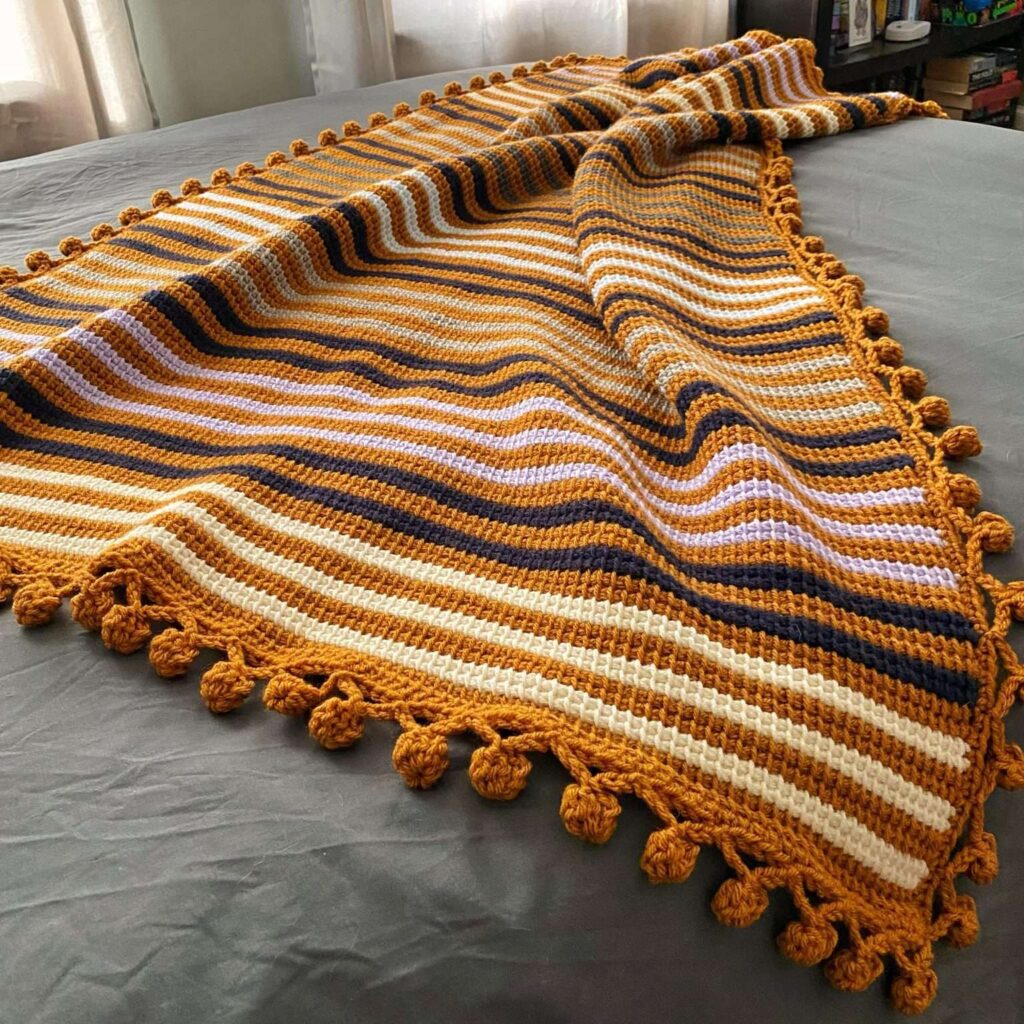
Blankets are among the most iconic and successful projects created using this crochet style. The dense construction provides warmth without sacrificing design flexibility, making these pieces both functional and visually striking.
Because the fabric holds its shape, blankets made this way age beautifully and resist stretching, even after frequent use. This makes them a favorite choice for throws, bed covers, and statement pieces in modern interiors.
Why this method works so well for blankets:
- Creates consistent tension across large surfaces
- Highlights textured and geometric stitch patterns
- Provides excellent insulation
- Works well with solid colors or color changes
Popular blanket variations:
- Beginner-friendly simple stitch designs
- Modern color-blocked throws
- Textured and raised patterns
- Baby blankets using soft yarns
👉 Patterns Links to Follow:
How to Crochet an Easy Beginner Tunisian Striped Blanket
Free Tunisian Crochet Blanket Pattern: The Aahan Blanket
Tunisian Crochet Ten Stitch Blanket – Free Pattern
🧥🧣 Tunisian Crochet Hoods and Cowls

Accessories like hoods and cowls benefit greatly from the natural structure of this technique. Unlike softer crochet styles, the fabric stays in place, offering both warmth and a clean silhouette.
These projects are especially popular in colder climates and are often chosen by makers who want accessories that look refined and intentional rather than floppy or overly relaxed.
Advantages for wearable accessories:
- Maintains shape around the neck and shoulders
- Provides excellent thermal insulation
- Ideal for minimalist and modern designs
- Easy to customize in length and fit
Common hood and cowl styles:
- Hooded cowls with seamless construction
- Buttoned or wrap-style hoods
- Chunky winter cowls
- Lightweight transitional pieces
👉 Patterns Links to Follow:
The Hyde Hood (Viral Hood on Tiktok)
Tunisian Scrap Cowl – Free Crochet Pattern
🧣✨ Tunisian Crochet Scarves and Shawls
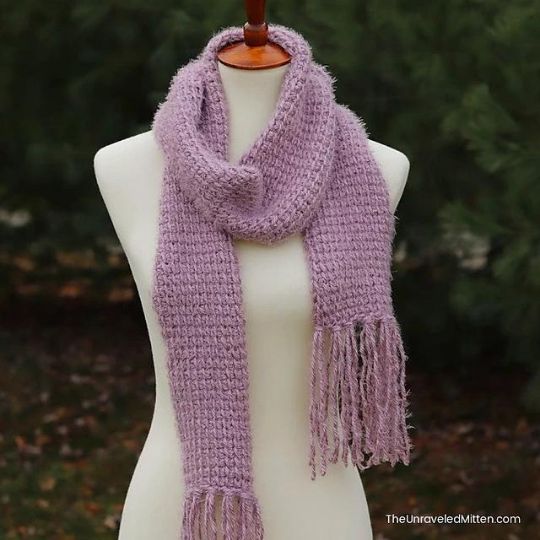
Scarves and shawls are perfect entry points for anyone exploring this crochet method. They allow makers to test stitch patterns, yarn combinations, and hook sizes without committing to large projects.
With proper tension and yarn choice, these pieces can achieve a beautiful balance between structure and drape, making them suitable for both everyday wear and statement accessories.
Why makers love this approach for scarves:
- Excellent stitch visibility
- Ideal for gradient or hand-dyed yarns
- Fast projects with professional results
- Suitable for all skill levels
Popular formats include:
- Long rectangular scarves
- Triangle shawls
- Lightweight wraps
- Modern textured designs
👉 Patterns Links to Follow:
Textured Tunisian Stitch Tutorial- No Curling!!
Tunisian Shawl for Beginners – FAST and EASY
27+ Free Tunisian Crochet Scarf Patterns
👕🪡 Tunisian Crochet Garments and Wearables
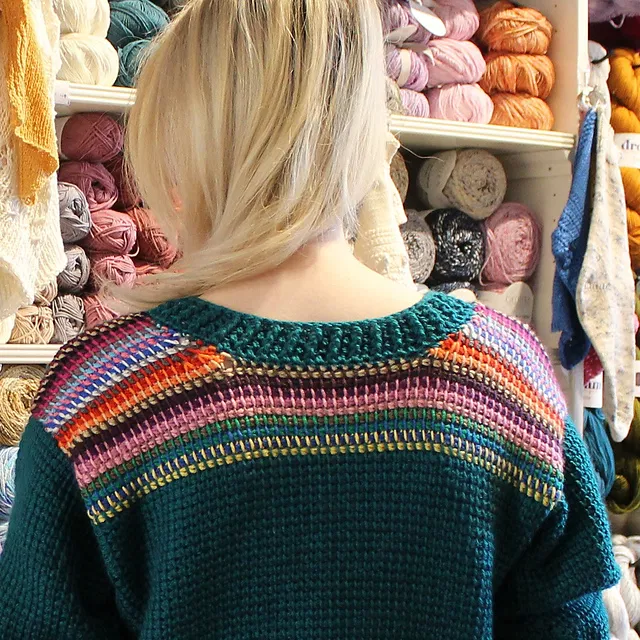
Garments created with this crochet style have evolved significantly. Modern patterns focus on comfort, fit, and movement, proving that structured fabric does not have to mean stiffness.
By choosing lighter yarns and adjusting hook size, designers create sweaters, cardigans, and vests that feel wearable while maintaining a polished look.
Why this method works for clothing:
- Reduces unwanted stretching
- Defines clean silhouettes
- Enhances stitch consistency
- Creates boutique-quality finishes
Common garment projects:
- Pullovers and sweaters
- Open-front cardigans
- Vests and layering pieces
- Relaxed tunics
👉 Patterns Links to Follow:
Tunisian Cozy Sweater Tutorial | Beginner-Friendly
Tunisian Sweater on Ravelry
Tunisian Patchwork Cardigan, a free pattern
🏡🧶 Tunisian Crochet Home Décor Projects
Home décor is another area where this crochet technique truly shines. The stable fabric is ideal for items that need to keep their form while still offering handmade charm.
These projects blend seamlessly into modern, rustic, or minimalist spaces, making them popular among interior-conscious makers.
Best uses in home décor:
- Pillow and cushion covers
- Table runners and placemats
- Wall hangings
- Rugs and mats
👉 Pattern ideas to link:
Beginner Tunisian Pillow Cover pattern by Hunter
10 Stunning Tunisian Pillow Patterns
🧶🛒 Tools and Materials to Make Your Tunisian Crochet
🪝 Tunisian Crochet Hooks
🧵 Best Yarn for Tunisian Crochet
Choosing the right yarn helps control stiffness and curling.
Recommended yarns:
- Acrylic blends (blankets and throws)
- Cotton or cotton blends (home décor, summer garments)
- Wool or wool blends (winter accessories)
- DK or worsted weight for beginners
💡✨ Tips for Better Results in Your Tunisian Crochet
Mastering Tunisian crochet becomes much easier when you follow these expert tips:
- Use a larger hook size than recommended for standard crochet to improve drape
- Keep your tension loose, especially on the forward pass
- Expect curling — it’s normal with Tunisian crochet
- Block every finished project to relax stitches and flatten edges
- Experiment with return passes to change texture and flexibility
- Add borders using regular crochet to stabilize edges
- Choose the right yarn fiber to avoid stiffness
- Practice edge stitches carefully to keep straight sides
💡 Pro Tip: Blocking and borders are not optional — they are essential for professional-looking Tunisian crochet projects.
🧼🧺 Care Instructions
Because Tunisian crochet creates a denser fabric, proper care is essential to maintain shape and longevity.
General care guidelines:
- Always check the yarn label
- Hand wash when possible
- Use cold or lukewarm water
- Choose a mild detergent
- Avoid twisting or wringing
- Lay flat to dry to prevent stretching
For garments and blankets:
- Re-block after washing if needed
- Store flat or folded, not hanging
- Avoid heat, which can distort stitches
Proper care keeps Tunisian crochet pieces looking polished for years.
💬 Community Feedback About Tunisian Crochet
Across forums, social media, and pattern reviews, the crochet community often describes Tunisian crochet as:
- “Perfect for modern, minimalist designs”
- “Addictive once you understand the rhythm”
- “Great for clean lines and texture”
- “Ideal for statement blankets and wearables”
Many crocheters also say Tunisian crochet feels relaxing and meditative once mastered.
❓ Frequently Asked Questions
Is Tunisian crochet beginner-friendly?
Yes. Many Tunisian stitches are simple and ideal for beginners.
Does Tunisian crochet use more yarn?
Yes, it generally uses more yarn due to its dense structure.
Why does Tunisian crochet curl so much?
Curling is a natural characteristic and can be fixed with blocking or borders.
Can I make garments with Tunisian crochet?
Absolutely. Modern patterns focus on fit, drape, and comfort.
What yarn weight is best for Tunisian crochet?
DK and worsted weight yarns are the most beginner-friendly.
Is Tunisian crochet faster than knitting?
Many crocheters find it faster once they get used to the two-pass rhythm.
🔗 Internal Linking Suggestions
Link this post to:
- 🧶❤️ Crochet Heart Blanket Pattern – Easy, Viral & Perfect for Cozy Home Decor
- 🧶 Easy Granny Square Pattern: A Beginner-Friendly Crochet Guide to Master Your First Square
- 🌸 The Lost Garden Blanket Crochet Pattern – A Timeless Masterpiece by Crystal and Crochet
- 🐾 Animal Granny Square Crochet Patterns – Complete Guide
📣 Follow for More
👉 Follow us on Pinterest for inspiration
👉 Join our Facebook community for patterns and tips