
🧶 Filet Crochet Pattern Guide (Beginner to Advanced) – Charts, Fish Design & Step-by-Step Tutorial
Introduction
Filet crochet pattern is one of the most elegant and timeless crochet techniques ever created. If you’ve ever admired delicate crochet panels featuring flowers, animals, names, or even intricate scenes made entirely of tiny mesh squares — you were likely looking at filet crochet pattern.
Unlike textured stitches or complex 3D motifs, filet crochet is built on simplicity: a structured grid of open and filled mesh blocks that together form a visual design. Think of it as pixel art — but made with yarn.
In this complete guide, you’ll learn:
- What filet crochet pattern is
- How it originated
- How to read filet crochet charts
- Step-by-step instructions
- How to make a fish filet crochet design
- Yarn and hook recommendations
- Expert tips
- Troubleshooting
- Care instructions
- FAQs
- Gift ideas
- And much more
By the end of this article, you won’t need to search anywhere else to confidently start your own filet crochet project.
🕰 The History of Filet Crochet Pattern
Filet crochet pattern dates back to the late 19th and early 20th centuries. It was especially popular in Europe during the Victorian and Edwardian eras. The word “filet” comes from the French word for “net,” which perfectly describes its structure.
Originally, filet crochet was used to create:
- Lace curtains
- Tablecloths
- Bedspreads
- Religious panels
- Decorative home linens
Before mass-produced textiles were common, handmade lace was a symbol of refinement and craftsmanship. Filet crochet offered a more accessible way to mimic expensive lace designs.
Today, the technique is experiencing a major revival — especially on Pinterest and TikTok — where creators are using filet crochet charts to make modern wall art, tote bags, tops, and viral fish patterns.
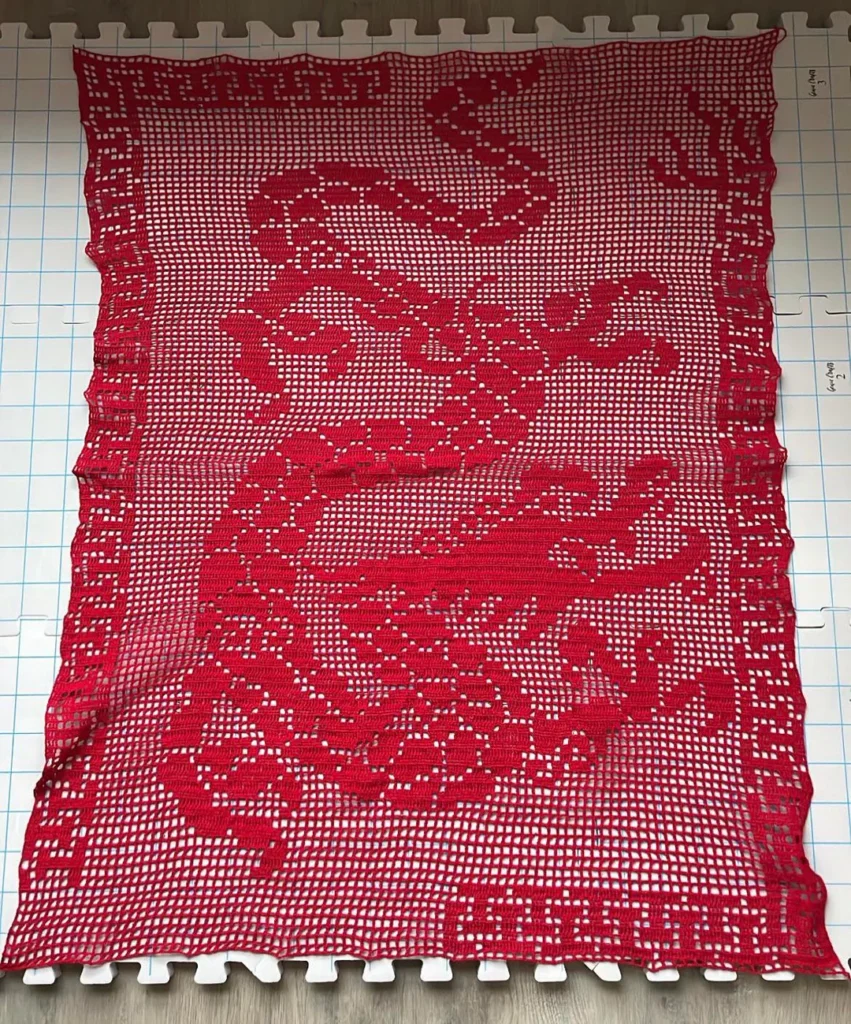
🧵 What Is Filet Crochet Pattern?
Filet crochet is a crochet technique that creates designs using:
- Open mesh squares
- Filled mesh squares
These squares are arranged in a grid pattern following a chart. The pattern emerges based on which squares are filled and which remain open.
The entire design is typically made using only:
- Chains (ch)
- Double crochet (dc)
That’s it.
This simplicity makes it incredibly beginner-friendly while still allowing advanced, detailed artwork.
🪡 Materials You’ll Need
Here are recommended materials (you can attach your affiliate links):
🧶 Recommended Yarn
For traditional filet crochet:
- 100% cotton yarn (sport or light DK)
- Mercerized cotton for crisp definition
- Crochet thread (size 10) for delicate lace
For modern projects:
- Cotton blends
- Bamboo blends for softness
- Lightweight acrylic for larger blankets
🔗 Suggested Affiliate Products
- Cotton Yarn (Sport Weight)
- 2.5 mm – 3.5 mm Crochet Hook
- Stitch Markers
- Tapestry Needle
- Blocking Board
- Blocking Pins
- Row Counter
Using cotton is ideal because filet crochet pattern depends on stitch clarity. Acrylic can work, but cotton shows the grid better.
📊 How to Read a Filet Crochet Chart (Complete Beginner to Advanced Guide)
Understanding how to read a filet crochet chart is the key skill that unlocks unlimited creative freedom. Once you master chart reading, you can crochet anything — names, animals, landscapes, floral panels, or viral fish motifs.
Unlike written crochet patterns, filet crochet is primarily visual.
Think of it as working from pixel art.
🧱 What Each Square Means
Every square in a filet crochet chart represents a block made of either:
◻ Open Mesh Block
- 1 double crochet
- 2 chains
- Skip 2 stitches
- 1 double crochet
This creates the “hole” or transparent square.
◼ Filled Mesh Block
- 3 double crochet stitches
This creates a solid square.
Each square equals 3 stitches wide.
This consistency is what forms the grid.
📖 How to Read the Chart Row by Row
Filet crochet is read similarly to standard crochet rows:
- Start at the bottom right corner.
- Work from right to left on Row 1.
- Turn your work.
- Row 2 is read left to right.
- Continue alternating direction.
If the chart includes row numbers, they’ll appear on the sides.
Pro Tip:
Use a ruler, sticky note, or digital highlighter to track your current row. This prevents skipping or duplicating blocks.
📐 Calculating Your Foundation Chain
To determine your starting chain:
(Number of squares × 3) + 3 extra chains.
Example:
If your chart is 50 squares wide:
50 × 3 = 150
150 + 3 = 153 foundation chains
Why the +3?
It acts as your turning chain and first double crochet.
🧠 Understanding Negative Space
In filet crochet, the design is formed by contrast.
The filled blocks create the image.
The open blocks create background.
If your fish looks inverted, you may have:
- Misread filled vs open blocks
- Started from the wrong side
- Miscounted the first row
Always double-check the chart legend.
🔄 Advanced Chart Reading Tips
Once you’re comfortable, you can:
- Mirror a chart for reverse orientation
- Add borders without altering proportions
- Enlarge designs using thicker yarn
- Combine multiple charts side-by-side
- Convert photos into grid charts
There are online tools that convert images into crochet graphs, but understanding the grid manually gives you far more control.
🎥 Video Instructions
Prefer watching the process? Follow this detailed video tutorial that shows how to read the chart and build the fish filet crochet pattern step by step.
🐟 Step-by-Step: How to Make a Fish Filet Crochet Pattern
Since fish designs are trending and viral, here’s a simplified method you can adapt to your embedded YouTube tutorial.
Step 1: Create Foundation Chain
Multiply the number of blocks by 3, then add 3 extra chains.
Example:
If your fish chart is 40 blocks wide:
40 × 3 = 120
- 3 = 123 chains
Step 2: Row 1 (Base Row)
Double crochet into 4th chain from hook.
Continue across.
Step 3: Follow the Chart
For each square:
If open → dc, ch 2, skip 2
If filled → 3 dc
Repeat row by row.
Step 4: Maintain Tension
Consistency is key. If your tension changes, the fish shape may distort.
Step 5: Border (Optional)
Add:
- Single crochet border
- Crab stitch edging
- Picot edging for decorative finish
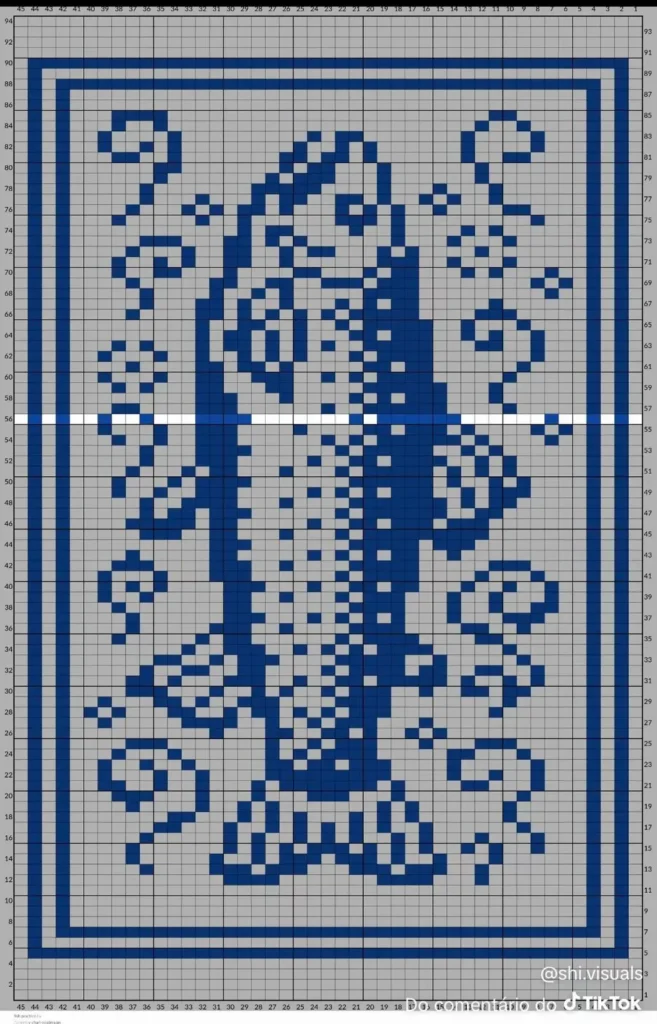
🗡 Featured Chart: Sword Filet Crochet Pattern
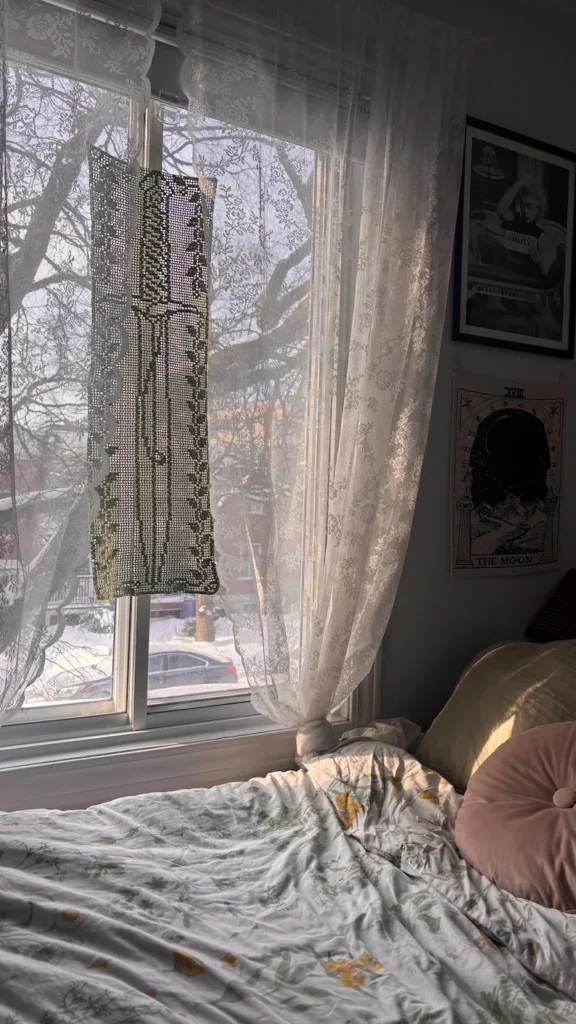
Looking for a bold and graphic filet crochet design? This Sword Filet Crochet Chart Pattern is a great example of how powerful grid-based crochet can be when applied to strong silhouettes.
👉 You can find the official chart here:
[Sword Filet Crochet Chart – Available on Etsy]
This sword filet crochet pattern is provided as a digital chart (graph format), ideal for crocheters who are already comfortable reading filet crochet grids.
Why This Chart Works So Well
- Strong contrast-friendly design
- Clean vertical symmetry
- Perfect for wall hangings or statement panels
- Great practice for improving chart-reading skills
Because filet crochet relies on filled and open mesh blocks, bold silhouettes like swords translate beautifully into crochet.
How to Use This Chart
- Count total squares across.
- Calculate your foundation chain using:
(Number of squares × 3) + 3 chains - Follow the grid row by row.
- Maintain consistent tension for straight edges.
For best definition, use:
- Cotton yarn
- A slightly smaller hook than usual
- High-contrast colors
🎨 Color Ideas for Filet Crochet Pattern
Filet crochet is traditionally monochromatic — but modern creators are redefining it.
Color dramatically affects how visible your design is.
🎭 Classic Lace Look
- Soft white
- Cream
- Antique ivory
- Light beige
Best for:
- Curtains
- Table runners
- Vintage decor
These highlight shadow contrast beautifully when backlit.
🌊 Coastal Fish Theme
For a fish filet crochet chart:
- Soft aqua background
- Deep navy silhouette
- Sandy beige base
- Muted teal
You can also reverse it:
White fish on ocean blue background.
This creates strong definition.
🌿 Earthy Modern Palette
- Sage green
- Clay terracotta
- Warm taupe
- Charcoal gray
These tones work beautifully for wall hangings and minimalist decor.
🎨 High Contrast Rule
For the design to “pop”:
Choose colors that contrast strongly.
Avoid:
- Medium gray + medium blue
- Beige + light tan
Filet crochet relies on shadow clarity.
If contrast is weak, the design disappears.
✨ Gradient Background Option
Advanced technique:
Use ombré yarn for background while keeping filled blocks consistent.
This creates a watercolor effect without altering the chart.
📏 Size Adjustments & Scaling Guide
Filet crochet patterns are incredibly scalable.
You can adjust size in three main ways:
1️⃣ Change Yarn Weight
Sport weight → delicate and lace-like
DK weight → medium clarity
Worsted weight → bold graphic look
Thicker yarn = larger finished project.
2️⃣ Adjust Hook Size
Smaller hook:
- Tighter mesh
- Crisp edges
- Better lace definition
Larger hook:
- Airier mesh
- Softer drape
- More relaxed look
3️⃣ Enlarge the Chart
To make the fish bigger:
- Add more background squares around it
- Increase pixel density
- Duplicate rows proportionally
📐 Popular Filet Crochet Sizes
Small:
- 12×12 inches → pillow panel
Medium:
- 30×40 inches → baby blanket
Large:
- 50×60 inches → throw blanket
Extra Large:
- Curtain panels
- Bedspread
Always measure gauge before committing to a large project.
🎁 Gift Ideas That Feel Meaningful
Filet crochet gifts feel personal because they often include:
- Names
- Dates
- Symbols
- Cultural motifs
🐟 Fish-Themed Ideas
- Coastal home wall art
- Lake house decor
- Fisherman gift
- Beach house curtain panel
👶 Personalized Baby Blankets
Add:
- Baby name
- Birth date
- Zodiac sign
Parents love meaningful handmade heirlooms.
💍 Wedding & Anniversary Panels
- Wedding date
- Initial monogram
- Scriptural verse
Frame the finished piece.
It becomes textile art.
🎄 Seasonal Ideas
- Christmas nativity scene
- Easter cross
- Thanksgiving harvest design
Filet crochet works beautifully for holiday decor.
💬 What the Crochet Community Says
Many crocheters describe filet crochet pattern as:
- Meditative
- Structured but creative
- Surprisingly addictive
- Perfect for mindful crafting
Some beginners find charts intimidating at first.
However, most report that after 2–3 rows, it “clicks” and becomes second nature.
On Pinterest, viral fish filet crochet patterns perform well because:
- They’re graphic
- They’re bold
- They photograph beautifully
- They feel modern yet classic
Community forums frequently recommend starting with small designs before committing to blankets.
🧼 Care Instructions (Professional Level Guidance)
Most filet crochet pattern projects use cotton or cotton blends.
Washing
Best practice:
- Hand wash in cold water
- Use mild detergent
- Avoid harsh chemicals
Machine wash only if yarn label allows.
Use delicate cycle.
Drying
Lay flat to dry.
Never hang — this can stretch the grid.
Avoid dryer heat.
It may distort mesh squares.
Blocking
Blocking is essential.
It:
- Aligns squares
- Sharpens design edges
- Improves symmetry
Steps:
- Lightly dampen
- Pin to blocking board
- Stretch evenly
- Let dry completely
Steam blocking works well for cotton.
⚠️ Troubleshooting Guide
Problem: Edges Slanting
Cause:
Missing first or last stitch in rows.
Solution:
Count carefully.
Use stitch markers at row edges.
Problem: Design Looks Warped
Cause:
Inconsistent tension.
Solution:
Practice swatching.
Adjust hook size.
Problem: Fish Shape Looks Distorted
Cause:
Reading chart from wrong direction.
Solution:
Confirm row direction.
Check that you start bottom right.
Problem: Gaps Too Large
Cause:
Hook too big.
Solution:
Size down hook by 0.5 mm.
Problem: Work Curling
Cause:
Foundation chain too tight.
Solution:
Use larger hook for chain only.
❓ FAQs (Extended & SEO Rich)
Is filet crochet pattern good for absolute beginners?
Yes, if you already know how to chain and double crochet. The technique uses minimal stitch variety.
How long does a filet crochet blanket take?
Depending on size:
Small panel → 3–6 hours
Baby blanket → 10–20 hours
Large throw → 30+ hours
Can I use acrylic yarn?
Yes, but cotton gives sharper definition. Acrylic produces softer drape but less crisp mesh.
How do I turn a picture into a filet crochet pattern?
You can:
- Use graph paper manually
- Use crochet chart generator software
- Adjust pixel density for clarity
High contrast images work best.
Does filet crochet pattern stretch over time?
Cotton holds structure well.
Blends may relax slightly.
Blocking helps maintain shape.
Is filet crochet pattern only for lace projects?
Not anymore.
Modern makers use it for:
Viral fish panels
Sweaters
Tote bags
Wall hangings
Graphic blankets
🖨 Prefer a Printable Version?
Many creators prefer working from a PDF instead of scrolling.
If available, you can link a printable fish filet crochet chart or premium downloadable version.
🔗 See Also
- Modern Crochet Vest Patterns – 10 Stylish Free & Paid Designs for 2026
- 🧶 Easy Granny Square Pattern: A Beginner-Friendly Crochet Guide to Master Your First Square
- Free Crochet Balaclava Pattern – The Ultimate Guide to Stylish, Cozy & Trendy Crochet Hoods
- ❤️Crochet Heart Granny Square Pattern (Easy & Beginner-Friendly)
📌 Final Thoughts
Filet crochet pattern combines structure and artistry in a way few techniques can. Whether you want to make a delicate lace curtain or a bold fish wall hanging, the possibilities are endless.
Mastering the grid unlocks unlimited design freedom.
📲 Follow for More Patterns
Love crochet tutorials like this?
📌 Follow us on Pinterest for daily pattern inspiration.
👍 Join our Facebook community for exclusive crochet content and discussions.