
🧶 Crochet Tapestry: The Ultimate Guide to Colorwork, Techniques & Patterns
Introduction – What Is Crochet Tapestry? 🎨🧶
Crochet Tapestry is one of the most visually striking techniques in the crochet world. Known for its bold patterns, clean color changes, and graphic designs, tapestry crochet allows makers to “draw with yarn,” creating fabric that looks woven or even embroidered.
Unlike traditional crochet, where color changes are often loose or decorative, tapestry crochet integrates multiple colors directly into the fabric, carrying unused yarn strands within the stitches. The result is a dense, structured textile perfect for bags, wall art, home décor, and modern accessories.
This guide is designed to be your complete reference to crochet tapestry — whether you’re discovering it for the first time or looking to deepen your understanding before exploring advanced techniques and patterns.
A Brief History of Tapestry Crochet 🧵📜
The roots of tapestry crochet are closely tied to indigenous and folk textile traditions from around the world. Long before charts and digital patterns existed, artisans used colorwork techniques to tell stories, represent cultural symbols, and create functional items.
Tapestry-style crochet is especially associated with:
- Indigenous South American textiles
- Mediterranean crochet traditions
- African-inspired geometric motifs
In modern crochet, tapestry has evolved into a design-forward technique, widely used by contemporary makers to create minimalist, boho, and statement pieces that blend tradition with modern aesthetics.
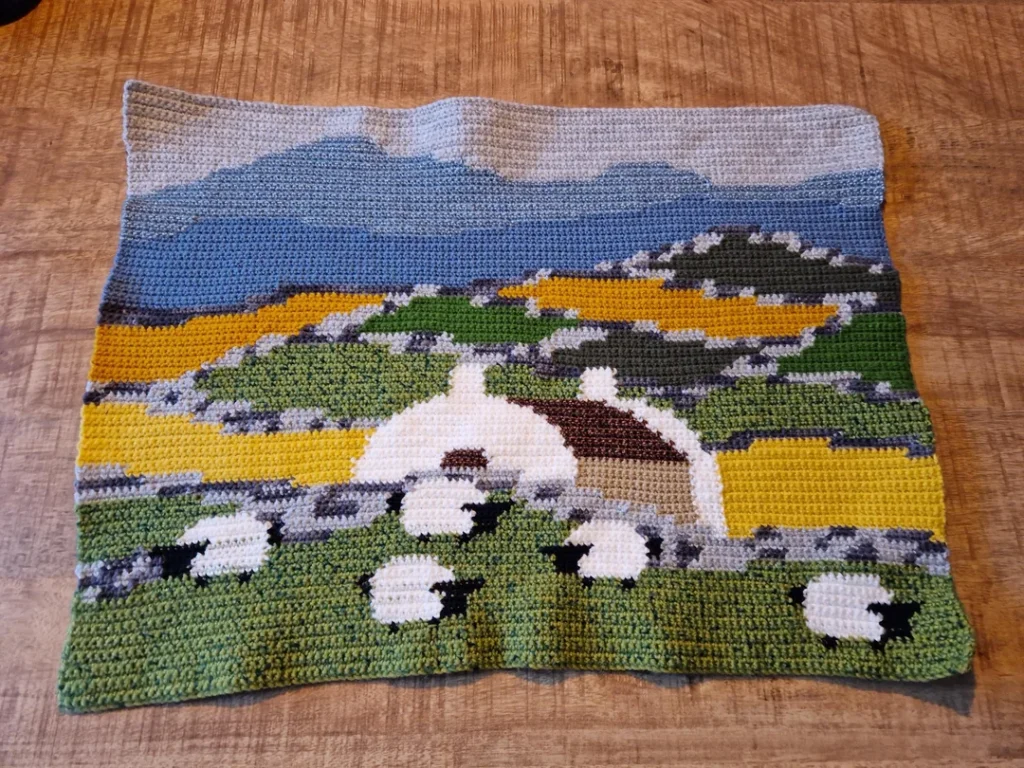
What Makes Crochet Tapestry Unique? ✨
Crochet tapestry stands apart from other colorwork styles due to a few defining characteristics:
- Multiple colors worked in the same row or round
- Unused yarn carried inside stitches, not floated behind
- Firm, dense fabric with minimal gaps
- Sharp, graphic patterns and clean edges
This technique transforms crochet into a medium for bold visual storytelling.
Types of Crochet Tapestry (Overview) 🧩
There isn’t just one way to do tapestry crochet. Below are the main types — each deserving its own in-depth guide:
Overlay Tapestry Crochet
Creates raised textures by working stitches over previous rows. Ideal for bold, dimensional designs.
Inset Tapestry Crochet
Colors are changed precisely within stitches, creating flat, clean motifs with no texture buildup.
Mosaic Crochet vs Tapestry Crochet
While often confused, mosaic crochet uses dropped stitches and overlays — not carried yarns — making it a different colorwork method entirely.
Skill Level & Techniques Used 🧠🧶
Crochet Tapestry is generally considered Intermediate level, but adventurous beginners can start with simple motifs.
Skills involved:
- Confident single crochet stitches
- Consistent tension control
- Frequent color changes
- Working with charts or color graphs
Once mastered, tapestry crochet opens the door to endless creative possibilities.
Best Yarns for Crochet Tapestry 🧵✨
Choosing the right yarn is critical for successful tapestry crochet.
Recommended yarn types:
- Cotton yarn (most popular)
- Cotton blends
- Non-stretch fibers with good stitch definition
Why cotton works best:
- Holds structure
- Enhances color clarity
- Minimizes fabric distortion
Yarn to avoid:
- Fuzzy yarns
- Highly elastic fibers
- Very lightweight yarns (unless intentional)
Hooks, Tools & Accessories 🪡🧰
Crochet Hooks
- Slightly smaller hook than usual helps keep stitches tight
- Ergonomic hooks reduce hand fatigue during long projects
Essential tools:
- Stitch markers
- Yarn bobbins or butterflies
- Tapestry needle
- Printed or digital charts
Colorwork & Chart Reading Basics 🎨📊
Most crochet tapestry patterns rely on charts rather than long written instructions.
Chart essentials:
- Each square = one stitch
- Colors correspond to yarn shades
- Read from bottom to top
Learning to read charts is one of the most valuable skills for tapestry crochet and significantly expands the range of patterns you can tackle.
What Can You Make with Crochet Tapestry? 👜🏡
Crochet tapestry is especially loved for projects that benefit from structure, durability, and bold visual impact. Because the fabric is dense and stable, it holds shape beautifully and showcases graphic designs with clarity.
Popular and practical tapestry crochet projects include:
👜 Bags & Accessories
Tapestry crochet is one of the top techniques for crochet bags.
- Tote bags
- Crossbody bags
- Pouches and clutches
- Backpacks
The carried yarn inside the stitches adds strength, making these pieces ideal for daily use.
🏡 Home Décor
The bold patterns of tapestry crochet shine in decorative items:
- Pillow covers
- Wall hangings
- Table runners
- Rugs and mats
- Storage baskets
Geometric and boho-inspired motifs are especially popular for modern interiors.
🎨 Artistic & Statement Pieces
Many makers use tapestry crochet as a form of fiber art:
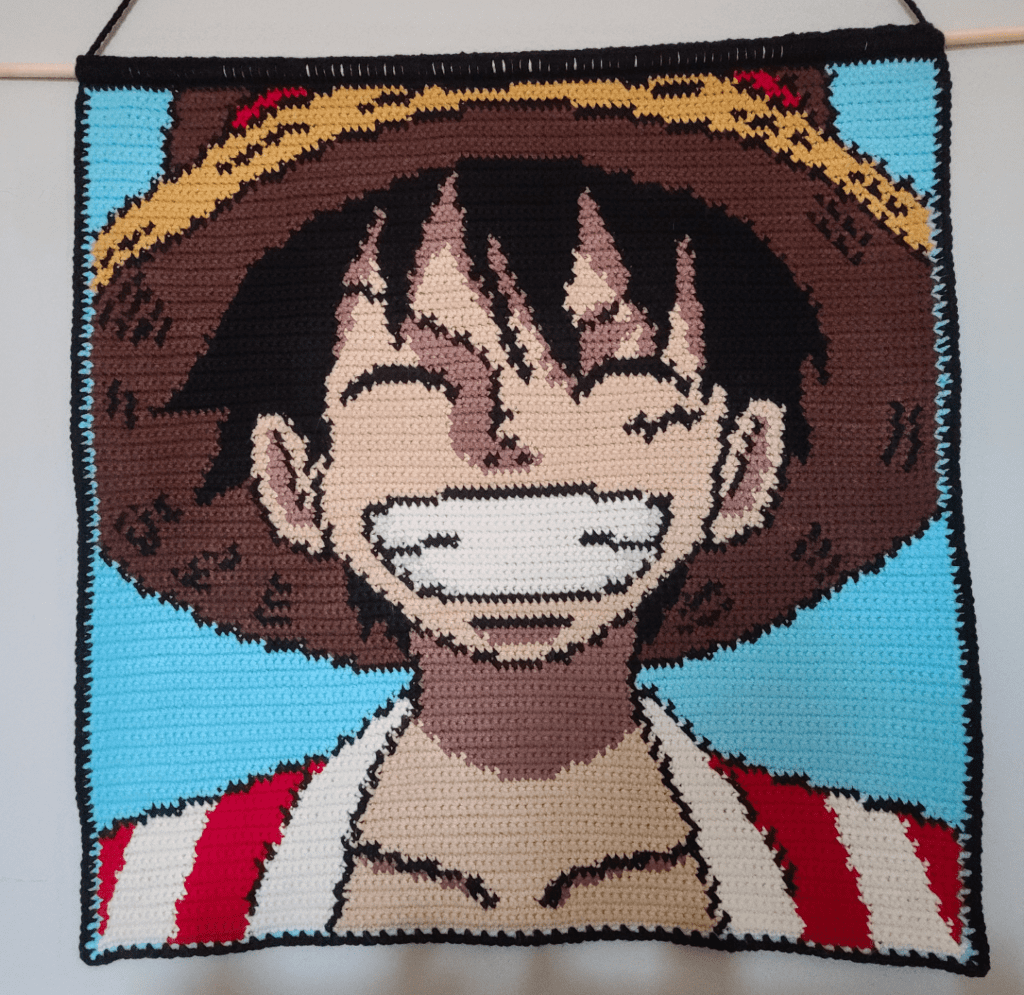
- Decorative panels
- Framed crochet artwork
- Cultural or symbolic motifs
These pieces often look closer to woven textiles than traditional crochet.
Why Learn Crochet Tapestry? 💡
Learning crochet tapestry opens the door to an entirely new creative dimension within crochet.
Key benefits of tapestry crochet:
🎨 Design Freedom
Tapestry crochet allows you to create:
- Graphic patterns
- Geometric designs
- Symbols, icons, and motifs
You’re not limited to texture — you’re designing visually.
🧠 Skill Expansion
Mastering tapestry crochet improves:
- Color control
- Tension consistency
- Chart reading skills
These skills translate beautifully into other crochet techniques.
💰 High Perceived Value
Tapestry crochet items often look:
- More complex
- More “designer-like”
- More professional
This makes them highly attractive for selling, gifting, or showcasing.
🌍 Cultural & Artistic Expression
Many tapestry designs carry cultural or symbolic meaning, making this technique especially meaningful for storytelling through crochet.
Pro Tips for Tapestry Crochet Success ✨🧠
Tapestry crochet rewards precision. These tips will dramatically improve your results.
🧶 1. Keep Your Tension Firm but Relaxed
Your stitches should be tight enough to hide the carried yarn but not so tight that the fabric curls or stiffens excessively.
🧶 2. Change Colors Mid-Stitch
Always complete the last yarn-over of the stitch with the new color. This creates clean, sharp color transitions.
🧶 3. Control Yarn Placement
Keep the carried yarn resting on the wrong side of the work consistently. Inconsistent placement can show through the fabric.
🧶 4. Use a Smaller Hook
Many crocheters size down by 0.25–0.5 mm to achieve a tighter fabric and cleaner colorwork.
🧶 5. Read Charts Carefully
Pay attention to:
- Direction of reading
- Stitch alignment
- Color dominance
Misreading charts is one of the most common beginner errors.
Common Mistakes to Avoid ⚠️
Avoiding these mistakes will save time, yarn, and frustration.
❌ Carrying Yarn Too Loosely
Loose carried yarn creates visible gaps and uneven fabric.
❌ Pulling Yarn Too Tight
Over-tightening distorts stitches and can warp the entire project.
❌ Choosing the Wrong Yarn
Stretchy or fuzzy yarns blur color edges and reduce pattern clarity.
❌ Ignoring Stitch Direction
In tapestry crochet, stitch direction affects how colors stack and align vertically.
❌ Skipping Practice Swatches
Testing tension and color changes on a small swatch prevents large-scale mistakes later.
Care Instructions for Tapestry Crochet 🧺💧
Proper care keeps tapestry crochet pieces looking crisp and vibrant.
Washing
- Hand wash recommended
- Cold water only
- Use mild detergent
Avoid long soaking, which can loosen carried yarn tension.
Drying
- Gently squeeze excess water using a towel
- Lay flat to dry
- Shape edges while damp
Never hang tapestry crochet items, as the weight can stretch the fabric.
Storage
- Fold neatly
- Store in a dry, cool place
- Avoid direct sunlight to prevent color fading
For bags and baskets, light reshaping after washing helps maintain structure.
FAQs – Crochet Tapestry ❓
Is crochet tapestry difficult?
It’s considered intermediate, but beginners can start with simple two-color patterns.
Do I always need charts for tapestry crochet?
Charts are highly recommended because they make complex designs much easier to follow.
Why is my tapestry crochet curling?
Curling usually means your tension is too tight or your hook is too small.
Can tapestry crochet be worked in the round?
Yes, many bags and baskets are worked in continuous rounds.
What stitch is most commonly used?
Single crochet is the most common stitch for tapestry crochet due to its dense structure.
Is tapestry crochet good for selling items?
Absolutely. Tapestry pieces often have high perceived value and strong visual appeal.
See Also 🔗
- Overlay Tapestry Crochet – Complete Guide (coming soon)
- Noctiluca Dress Crochet Pattern – Modern Lace Summer Dress with Elegant Fit
- 🧸 Polo Bear Sweater Crochet Pattern – A Cozy Statement Piece with Timeless Charm
- Mosaic Blanket Crochet Pattern – Stunning Geometric Design for Your Next Project
Final Thoughts 🌟
Crochet Tapestry is where technique meets art. Whether you’re making a statement bag, decorating your home, or exploring colorwork, tapestry crochet offers endless creative freedom.
This guide is your foundation — and from here, you can dive deeper into each tapestry style with confidence.
Follow for More Crochet Inspiration 📌📘
👉 Follow us on Pinterest for modern crochet techniques
👉 Follow us on Facebook for tutorials, patterns, and inspiration
✨ Happy crocheting!