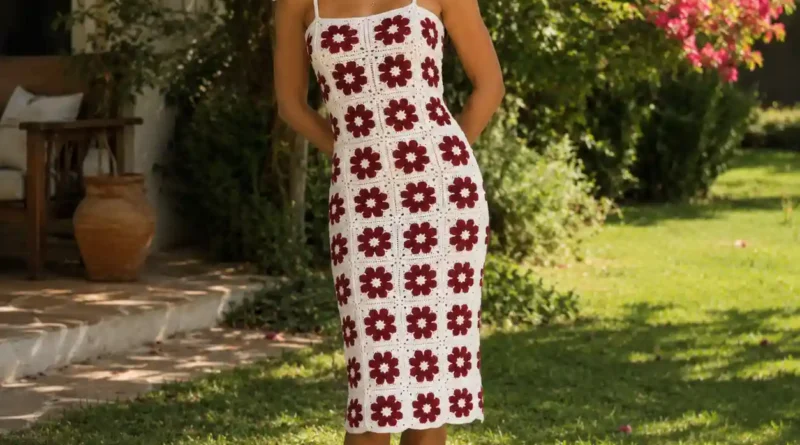
CROCHET PATTERN

🌼 Retro Flower Crochet Blanket – Complete Guide & Free Pattern

✨ Introduction

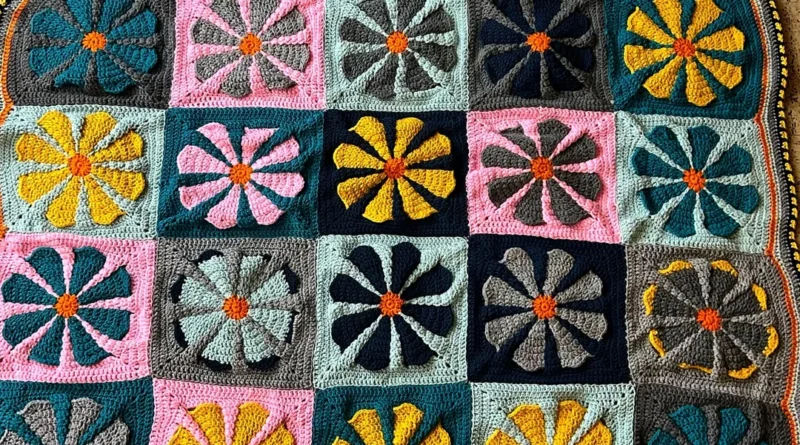
The Retro Daisy Flower Crochet Blanket is one of the most iconic and recognizable crochet designs ever created. With its cheerful floral centers and contrasting square frames, this blanket captures the joyful spirit of the 1960s and 1970s while still feeling fresh, modern, and incredibly stylish today.

Often called the Retro Daisy Granny Square Blanket, 70s Flower Blanket, or Flower Power Crochet Blanket, this design is loved by crocheters of all levels. Beginners enjoy the simple repeatable square, while experienced makers appreciate the endless possibilities for color play, layout design, and customization.

What makes the Retro Daisy Flower Blanket truly special is its ability to transform a basic crochet square into something expressive and artistic. Each daisy becomes a little burst of personality, and when dozens of them come together, the result is a stunning blanket that feels both handmade and timeless.

In this complete guide, you will learn everything you need to create your own Retro Daisy Flower Crochet Blanket, including its history, how the pattern works, recommended materials, step-by-step guidance, color inspiration, layout ideas, troubleshooting tips, care instructions, and answers to the most common questions.

🌸 Your Retro Flower Pattern is here!

Click the button below to unlock your free pattern and video tutorial:


🌸 History of the Retro Daisy Flower Pattern

The daisy has long been a symbol of innocence, happiness, and creativity. In the crochet world, it became especially popular during the late 1960s and 1970s, a period often referred to as the Flower Power era.

During this time, handmade crafts exploded in popularity. People wanted their homes, clothing, and accessories to reflect freedom, individuality, and vibrant self-expression. Crochet, with its endless color and stitch possibilities, became the perfect medium for this movement.

The Retro Daisy Granny Square emerged naturally from this cultural moment. Crochet designers and hobbyists began placing flower motifs in the center of granny squares, then framing them with bold geometric borders. The contrast between the soft flower and the strong square shape made the design visually striking and extremely versatile.

Unlike modern crochet patterns, the Retro Daisy Flower does not belong to a single designer. It is considered a traditional motif, passed down through books, magazines, and oral instruction for decades. Today, it is part of crochet’s shared heritage — which is why you can find so many variations of it across Etsy, Ravelry, Pinterest, and YouTube.

This rich history is exactly why the Retro Daisy Flower Crochet Blanket feels both nostalgic and endlessly relevant.

Retro Flower Blanket Crochet

🌼 What Is a Retro Daisy Granny Square?

A Retro Daisy Granny Square is a type of crochet square that features a flower — usually a daisy — at its center. The flower is worked first, followed by one or more rounds that turn it into a square.

The basic structure includes:

  1. Center ring – where the flower begins
  2. Petal round – creates the daisy shape
  3. Background round – separates the flower from the square
  4. Squaring round – turns the circle into a square

Each square becomes one flower, and dozens of squares are joined together to form a blanket.

The beauty of this design is that it allows infinite variation. You can change:

  • Flower colors
  • Background colors
  • Square size
  • Join method
  • Border style

This is why the Retro Daisy Flower Crochet Blanket is one of the most customizable crochet projects ever created.


🧶 Materials & Yarn Recommendations

Choosing the right yarn makes a huge difference in how your Retro Daisy Flower Blanket looks and feels.

Best Yarn Types

Most crocheters use worsted weight (Category 4) yarn for this type of blanket.

Recommended Hook Sizes

Essential Tools

This post contains Amazon affiliate links. If you buy through them, you won't pay anything extra, but I may earn a small commission.


📄 Pattern Options (Free & PDF)

🌸 Your Retro Flower Pattern is here!

Click the button below to unlock your free pattern and video tutorial:


🧵 Simple Step-by-Step Overview

Here is a simple breakdown of how one Retro Daisy Granny Square is made:

  1. Start with a magic ring
  2. Crochet the flower center
  3. Add petal stitches
  4. Change color for contrast
  5. Crochet background round
  6. Square the flower
  7. Fasten off

Once all squares are finished:

  • Block them
  • Arrange your layout
  • Join using slip stitch, whip stitch, or join-as-you-go
  • Add a border

📐 How Many Squares Do You Need?

The number of squares depends on your finished blanket size.

Blanket SizeSquares Needed
Baby blanket36–48
Throw64–100
Twin120–150
Queen200+

✨ Pro Tips for Retro Daisy Blankets

Working with floral granny squares is slightly different from regular granny squares. These professional tips will help your blanket look polished and beautiful:

One of the most important things is color planning. Because daisies naturally draw the eye, you should decide ahead of time whether you want your flowers to look random, organized, or symmetrical. Laying out all your squares before joining them can completely change the look of your blanket.

Another key tip is to block every square before joining. This ensures that all squares are exactly the same size and that the final blanket lies flat. Blocking also improves stitch definition and gives your flowers a crisp, professional look.

Use neutral background colors if you want the flowers to stand out, or choose bold background colors for a more dramatic effect.


🎨 Color Palette Ideas

The Retro Daisy Flower Crochet Blanket is all about color.

Classic 70s Colors

  • Mustard yellow
  • Burnt orange
  • Avocado green
  • Brown
  • Cream

Soft Modern Palettes

  • Blush + sage
  • Dusty blue + ivory
  • Lavender + grey

Bold Contemporary Looks

  • Neon flowers on black
  • Jewel tones
  • Rainbow daisies

Changing only the colors can make the same pattern look completely different.


🛠 Troubleshooting – Retro Daisy Flower Crochet Blanket

Even experienced crocheters sometimes run into issues when making a Retro Daisy Flower Crochet Blanket. Because this design combines flowers, color changes, and square shaping, small mistakes can multiply across dozens of motifs. Here are the most common problems and how to fix them.

My squares are curling or warping

This is usually caused by tension inconsistencies or the wrong hook size. If your petals are pulling too tightly, try moving up half a hook size. Blocking your squares after completing them also makes a huge difference. Wet-blocking or steam-blocking helps the petals relax and sit flat.

My flowers don’t look like daisies

If your petals look more like blobs than flowers, it’s usually because the stitch count in the petal round is off. Make sure you are placing the correct number of stitches in each chain space. Using contrasting colors also helps define the flower shape more clearly.

The corners of my square are pulling in

This happens when the squaring round is too tight. Add an extra chain in each corner or switch to a slightly larger hook just for the squaring round. This gives the flower room to breathe inside the square.

My joined blanket is wavy

This often happens when squares were not blocked before joining. Always block your Retro Daisy Granny Squares first, then join them. If the blanket is already joined, a full wet-block can still help smooth out uneven areas.

My color changes look messy

Use a yarn-under or invisible join technique when switching colors. Weaving in ends as you go also helps keep the back of your blanket neat and professional.


🧺 Care Instructions – How to Wash and Maintain Your Retro Daisy Flower

A handmade Retro Daisy Flower Crochet Blanket can last for decades if properly cared for. Because this blanket often uses many colors and different yarns, gentle handling is essential.

Washing

Always wash your blanket in cold water using a mild detergent. Hand washing is ideal, but you can also use a washing machine on a gentle cycle. Avoid bleach or harsh chemicals, especially if your blanket contains bright or dark colors, as these can fade or bleed.

Drying

Never tumble dry on high heat. Instead, gently squeeze out excess water (do not wring) and lay the blanket flat on a clean towel or drying rack. This prevents stretching and keeps the square shapes intact.

Blocking after washing

If your blanket loses shape after washing, lightly re-block it while damp. Arrange the edges straight and let it dry completely to restore the original look.

Storage

Store your Retro Daisy Flower Crochet Blanket folded in a cool, dry place. Avoid hanging it for long periods, as the weight of the blanket can stretch the stitches.

Preventing damage

Keep your blanket away from pets’ claws and sharp objects. If you notice a loose stitch, repair it immediately to prevent unraveling.


💬 What the Crochet Community Says About the Retro Daisy Flower Blanket

The Retro Daisy Flower Crochet Blanket has become one of the most loved and shared granny square projects across the crochet community. From beginners making their first flower square to advanced makers creating gallery-worthy afghans, this pattern consistently receives praise for its beauty, flexibility, and nostalgic charm.

Many crocheters mention that the Retro Daisy design is the perfect balance between simple and impressive. Even though the stitches are basic, the finished result looks detailed, colorful, and professionally crafted. This makes it especially popular for handmade gifts, baby blankets, and home décor.

One of the most frequently shared comments in crochet groups is how relaxing this pattern is. Because each square is small, repetitive, and easy to memorize, it allows crocheters to work without constantly checking instructions. This makes the Retro Daisy Flower Blanket ideal for evening crochet sessions, travel projects, or stress-relief crafting.

Another reason the community loves this pattern is how forgiving and customizable it is. If a square turns out slightly different, it blends beautifully into the blanket. Many crocheters even intentionally vary their color placement to create artistic, boho-style layouts.

On platforms like Pinterest, TikTok, and Etsy, Retro Daisy blankets are often described as:

  • “Joyful and nostalgic”
  • “The perfect mix of vintage and modern”
  • “A great stash-buster”
  • “One of the most satisfying crochet projects ever”

Many crocheters also appreciate that this design feels timeless. While trends come and go, the daisy motif never feels outdated. A Retro Daisy Flower Crochet Blanket can fit just as well in a retro-styled home as in a minimalist or modern space.

For gift-making, this pattern is especially popular because:

  • It works for all ages
  • It can be customized with favorite colors
  • It looks far more complex than it actually is

All of this is why the Retro Daisy Flower Crochet Blanket remains one of the most recreated, pinned, and shared crochet projects in the world.

Retro Daisy Flower Crochet Blanket

❓ FAQs – Retro Daisy Flower Crochet Blanket

Is the Retro Daisy Flower Crochet Blanket suitable for beginners?

Yes. Although it looks intricate, this pattern uses only basic crochet stitches. Beginners can make it by following a step-by-step video or written pattern and practicing a few squares first.

How long does it take to make this blanket?

That depends on the size. A baby blanket may take a few days, while a full-size Retro Daisy Flower Crochet Blanket can take several weeks. Because the squares are small, it’s a perfect project to work on gradually.

Can I use leftover yarn for this project?

Absolutely. Many crocheters love this pattern because it’s perfect for using yarn scraps. Mixing colors adds charm and makes every blanket unique.

Can I sell items made with this pattern?

Yes. The Retro Daisy Granny Square is a traditional crochet motif and not owned by any single designer. You are free to sell finished blankets made from it.

What is the best joining method?

Slip stitch joins give a clean, modern look. Whip stitch joins are softer and more flexible. Join-as-you-go is great if you want to avoid sewing later.

Can I make other items with this pattern?

Yes! The Retro Daisy motif is often used for pillows, bags, cardigans, scarves, and even dresses — not just blankets.

Why is my blanket stiff?

This usually means your tension is too tight or your hook is too small. Try a larger hook and softer yarn for better drape.


🔗 See Also (Internal Links)

You can link here to:


📌 Follow Patterns Here

If you love colorful crochet and vintage-inspired designs:

👉 Follow Patterns Here on Pinterest
👉 Follow Patterns Here on Facebook

7 Beautiful African Flower Crochet Pattern Ideas – Step-by-Step Guide

The African Flower Crochet Pattern is a timeless motif beloved by crocheters around the world. Recognized by its hexagonal shape and a delicate flower design at the center, it combines simple stitches with striking results. Its beauty lies in versatility—whether you want to make cozy blankets, vibrant bags, elegant garments, or small home décor accents, this motif adapts effortlessly.

Originally popularized in South Africa, the African Flower motif spread quickly through the global crochet community. Crafters were fascinated by how easy it was to adapt, and how well it worked with bold color combinations. Today, the motif continues to inspire beginners and advanced crocheters alike.

In this comprehensive guide, we’ll dive deep into:

  • The materials and tools you’ll need
  • A step-by-step guide for crocheting the African Flower hexagon
  • 7 creative project ideas and how to adapt the motif
  • Color inspiration and yarn recommendations
  • FAQs to answer the most common questions

By the end, you’ll be ready to start your own African Flower project and bring this stunning motif to life.


Materials Needed

To achieve the best results with the African Flower motif, use yarns and hooks that balance structure with comfort.


Step-by-Step Guide – African Flower Hexagon

Here’s a simplified version of the motif:

  1. Foundation Ring
    • Chain 5 and join with a slip stitch to form a circle.
  2. Round 1 – Center
    • Chain 3 (counts as 1 dc). Work 11 dc into the ring. Join (12 dc total).
  3. Round 2 – Petals
    • In the first stitch: sc, hdc, 3 dc, hdc, sc.
    • Skip 1 stitch. Repeat sequence around. You’ll form 6 petals.
  4. Round 3 – Spacing
    • Work sc between petals to shape the flower.
  5. Round 4 – Transition to Hexagon
    • Work dc clusters and chain spaces between petals to create 6 flat edges.
  6. Round 5 – Finishing
    • Add another round of dc or sc to firm the hexagon shape.

Repeat the motif in various colors, then join using whip stitch or join-as-you-go.

Variations:

  • Five-Petal Version: Adjust stitches for a pentagon shape.
  • Solid Motif: Skip chain spaces to make a denser version.
  • Mini African Flower: Use fingering yarn with a 2.5 mm hook for delicate appliqués.

African Flower Crochet Pattern

7 Beautiful Ideas for the African Flower Crochet Pattern

The beauty of this motif lies in its adaptability. Here’s how to use it:

1. Blankets & Throws

One of the most classic uses of the African Flower Crochet Pattern is in blankets, where the hexagon motifs create vibrant and cozy patchwork designs. Use multiple colors to create a vibrant patchwork or stick to pastels for a soft, modern look. A throw blanket usually requires 70–100 motifs, while a queen-sized bedspread may need up to 200.

2. Cushion Covers

Join two large hexagons or several smaller ones for a pillow cover. Add a zipper or buttons for easy removal. Perfect for boho-inspired living rooms.

3. Tote & Market Bags

Strong and stylish, African Flower motifs joined into panels make the perfect reusable shopping bags. Use cotton yarn for durability. You can even line the bag with fabric for extra strength.

4. Table Runners & Mats

A row of motifs creates a stunning centerpiece. Use festive colors for holiday tables or neutrals for everyday elegance.

5. Fashion Wearables

  • Vests & Tops: Lightweight cotton makes beautiful summer wear.
  • Cardigans & Jackets: Motifs joined strategically form fashionable outerwear.
  • Skirts & Dresses: Combine motifs into panels for unique festival clothing.

6. Baby Projects

Make baby blankets, stroller covers, or even small rattles decorated with motifs. Softer yarns like baby acrylics are ideal for comfort.

7. Decorative Accents

  • Use single motifs as coasters or wall hangings.
  • Frame a few motifs as artwork.
  • Crochet keychains or appliqués for bags and hats.

See the full pattern here.


Color Inspiration

One of the most exciting aspects of the African Flower motif is experimenting with color. Here are a few tried-and-true palettes:

  • Traditional: Bright yellow centers, red petals, green edges.
  • Modern Pastels: Soft pinks, baby blues, and lavender.
  • Earthy Tones: Beige, cream, brown, and olive for a rustic look.
  • Gradient Style: Use yarn cakes for seamless color transitions.

Tips for Crocheting African Flowers

  • Plan Ahead: Sketch color combinations before starting.
  • Use Join-As-You-Go: This saves time and avoids bulky seams.
  • Block Each Motif: Blocking ensures even edges for easier joining.
  • Mix Sizes: Combine large and small motifs for a unique design.

Frequently Asked Questions (FAQ)

1. Is the African Flower Crochet Pattern beginner-friendly?
Yes! It uses basic stitches (dc, sc, hdc) and simple rounds.

2. How long does one motif take?
Around 20–30 minutes for experienced crocheters.

3. How many motifs are needed for a bag?
A medium tote usually requires 20–30 motifs.

4. Can I use leftover yarn scraps?
Definitely! This is one of the best stash-busting projects.

5. What’s the best yarn for African Flowers?
Cotton for structure, acrylic for softness, blends for flexibility.

6. Can I join motifs of different sizes?
Yes, but block them carefully to align edges.

7. Can I sell finished products made with this motif?
Yes, most designers allow it as long as you don’t resell the written pattern.

8. How do I make the motif sturdier?
Use a smaller hook size to create tighter stitches.

9. Can I make a circular version?
Yes, simply omit the hexagon round and stop after petals.


See Also


Final Thoughts

The African Flower Crochet Pattern is more than just a motif—it’s a canvas for creativity. From blankets and cushions to fashion pieces and gifts, the possibilities are endless. Its versatility makes it perfect for beginners looking to build skills, as well as advanced crocheters eager to experiment with design.

Whether you choose bold traditional colors or minimalist modern tones, this motif will always stand out. Each hexagon you crochet is like a piece of art, and when combined, they form a masterpiece that reflects both your skill and imagination.

So grab your yarn, pick your hook, and start making your own collection of African Flower motifs today. 🌸

The Ultimate Granny Hexagon Cardigan Crochet Pattern PDF – Cozy & Stylish DIY Project

Bring warmth, style, and creativity to your wardrobe with The Granny Hexagon Cardigan Crochet Pattern PDF! This pattern allows you to craft a unique, cozy, and visually stunning cardigan made entirely of hexagon motifs. Perfect for beginners, intermediates, and experienced crocheters, this pattern combines classic granny motifs with modern fashion flair.

Whether you’re looking to make a handmade gift, expand your crochet skills, or create a statement piece for your wardrobe, this Granny Hexagon Cardigan pattern is your go-to guide.


Why You’ll Love This Granny Hexagon Cardigan Crochet Pattern PDF

Crocheting your own Granny Hexagon Cardigan comes with many benefits:

  • Unique Wardrobe Piece: Stand out with a one-of-a-kind cardigan made from hexagons.
  • Skill-Building: Learn new techniques, including joining motifs seamlessly.
  • Customizable: Change colors, yarn types, or size to make it truly yours.
  • Perfect Gift: Handmade clothing is thoughtful and meaningful.
  • Therapeutic Hobby: Crocheting reduces stress and increases focus.

With this pattern, you receive step-by-step instructions, diagrams, and tips for achieving a polished, wearable finished piece. Plus, it’s a fun way to express your creativity.

👉 Get the Crochet Hexagon CardiganPattern on Etsy here


Materials Needed for the Granny Hexagon Cardigan

Gathering the right tools and yarn ensures a smooth crochet experience. Here’s what you’ll need (affiliate links included):


Abbreviations & Techniques

Before starting your Granny Hexagon Cardigan Crochet Pattern PDF, familiarize yourself with these abbreviations:

  • ch – chain
  • sc – single crochet
  • dc – double crochet
  • sl st – slip stitch
  • sp – space
  • st – stitch
  • inc – increase
  • dec – decrease

Techniques to Master:

  1. Magic Ring: For a neat starting point of each hexagon.
  2. Color Changing: Switch colors mid-round for a vibrant effect.
  3. Seamless Joining: Connect hexagons without bulky seams.
  4. Blocking: Essential to shape hexagons and cardigan properly.

Granny Hexagon Cardigan Crochet Pattern PDF

Step-by-Step Instructions Overview

Hexagon Motifs

  1. Start with the magic ring using your chosen yarn color.
  2. Work in rounds, following the hexagon increase pattern.
  3. Change colors strategically to create a visually appealing pattern.
  4. Make enough hexagons for your desired cardigan size.

Joining Hexagons

  1. Plan your layout in advance to balance colors and shapes.
  2. Use slip stitch or whip stitch to join hexagons.
  3. Keep seams flat and consistent for a professional look.

Sleeves

  1. Decide on long, ¾, or short sleeves.
  2. Crochet directly into motif edges or join pre-made hexagons.
  3. Adjust width and length for comfort.

Collar & Edges

  1. Add a simple border to unify motifs.
  2. Optional: add buttons, ties, or decorative edging for flair.

Pro Tip: Adding a soft border in a contrast color enhances the cardigan’s visual appeal.


Tips for Customizing Your Granny Hexagon Cardigan

  • Colors: Mix bright, pastel, or neutral shades to match your style.
  • Yarn Weight: Lighter yarn creates a delicate cardigan; heavier yarn adds warmth.
  • Size: Adjust number of motifs or add extra rounds per hexagon.
  • Style: Add fringe, pockets, or longer back hem for a modern twist.
  • Accessories: Pair with a belt for a chic look.

Common Mistakes to Avoid

  1. Skipping Gauge Check: Your motifs may not fit together if gauge is off.
  2. Uneven Tension: Can distort hexagons and affect final size.
  3. Ignoring Blocking: Without it, motifs may curl or misalign.
  4. Poor Color Planning: Random color placement can create a chaotic look.

Pro Tip: Lay all motifs flat and visualize placement before joining.


FAQs – Granny Hexagon Cardigan Crochet Pattern PDF

Q: Is this pattern beginner-friendly?
A: Yes! The instructions are clear, and diagrams help guide beginners.

Q: How long will it take to complete the cardigan?
A: On average, 15–25 hours depending on skill level and motif size.

Q: Can I sell the finished cardigan?
A: Yes, handmade sales are fine, but do not claim commercial branding.

Q: Can I use any yarn brand?
A: Yes, but check gauge and tension for best results.

Q: How do I maintain my cardigan?
A: Hand wash cold, lay flat to dry, avoid direct heat.


Practical Tips for a Smooth Crochet Experience

  1. Layout Planning: Arrange hexagons on a flat surface before joining.
  2. Gauge Swatch: Test one motif first to ensure correct size.
  3. Color Harmony: Use complementary shades for visual balance.
  4. Blocking: Shape hexagons and cardigan for a polished finish.
  5. Consistent Stitching: Even tension ensures uniformity.
  6. Take Breaks: Avoid hand fatigue during long crochet sessions.

See Also – Related Crochet Patterns


Creating The Granny Hexagon Cardigan Crochet Pattern PDF is a fun, creative, and rewarding project. With this guide, you’ll gain all the skills needed to craft a unique, cozy, and fashionable cardigan that’s perfect for gifting or personal wear. Start your crochet journey today and make a statement piece that showcases your handmade craftsmanship!

Fruit Garden CAL – Colorful Crochet Blanket Pattern PDF for Cozy & Fun DIY Projects

Bring a touch of vibrant color and joy to your home with the Fruit Garden CAL, a crochet-along blanket that transforms your yarn into a beautiful, colorful garden of motifs. Perfect for beginners and experienced crocheters alike, this Fruit Garden CAL Crochet Pattern PDF will guide you step by step to create a cheerful and cozy blanket that brightens any room.

Whether you’re looking for a fun crochet project, a handmade gift, or a way to improve your skills, this CAL is an excellent choice for any crochet enthusiast.


Why You’ll Love the Fruit Garden CAL Crochet Pattern PDF

Crocheting the Fruit Garden CAL comes with many benefits:

  • Bright & Playful Design: Each motif resembles colorful fruits and flowers, making the blanket lively and cheerful.

  • Skill Building: Learn joining techniques, color changes, and pattern reading.

  • Customizable: Choose your favorite color palette to match your home decor.

  • Perfect Handmade Gift: Show your creativity and thoughtfulness.

  • Therapeutic & Relaxing: Crocheting can help reduce stress and improve focus.

With clear instructions, diagrams, and helpful tips, the Fruit Garden CAL is designed for a rewarding crafting experience.

 Ready to start your colorful journey? Grab the full Fruit Garden CAL Crochet Pattern PDF here and bring your blanket to life!


Materials Needed for the Fruit Garden CAL

To crochet the Fruit Garden CAL, you’ll need a few essential tools and colorful yarns to bring your blanket to life. Here’s what I recommend:

Pro Tip: Always buy a little extra yarn for each color so you won’t run out mid-project. This is especially important for small, detailed motifs like fruits and leaves.

Pro Tip: Buy a little extra yarn for each color to avoid running out mid-project. This is especially important when working with small motifs like the fruit designs.

Fruit Garden CAL Crochet Pattern PDF

Abbreviations & Techniques

Before starting your Fruit Garden CAL, familiarize yourself with the following abbreviations:

  • ch – chain

  • sc – single crochet

  • dc – double crochet

  • sl st – slip stitch

  • st – stitch

  • inc – increase

  • dec – decrease

Techniques to Master:

  1. Magic Ring: For a neat start to each fruit motif.

  2. Color Changes: Switch colors seamlessly to create vibrant fruits.

  3. Joining Motifs: Use slip stitch or whip stitch for neat joins.

  4. Blocking: Essential for a uniform and flat blanket.

Pro Tip: Arrange your motifs on a flat surface before joining to plan color placement and ensure a balanced design.


Step-by-Step Instructions Overview

Fruit Motifs

  1. Start each motif with a magic ring.

  2. Work in rounds following the specific fruit pattern instructions.

  3. Change colors as indicated to achieve the fruit and leaf designs.

  4. Make enough motifs to reach your desired blanket size.

Joining Motifs

  1. Plan the layout before joining to balance colors.

  2. Join motifs using slip stitch or whip stitch for a neat finish.

  3. Keep joins flat for a professional look.

Border & Edges

  1. Add a simple border to unify motifs.

  2. Optional: add a decorative edge or scallops for extra charm.

Pro Tip: A contrast color border can make your fruit motifs pop even more.


Tips for Customizing Your Fruit Garden CAL

  • Colors: Use bright, pastel, or neutral shades to match your style.

  • Size: Increase or decrease motifs to make a baby blanket, lapghan, or full-size throw.

  • Style: Add fringe, textured stitches, or a scalloped border for extra flair.

  • Yarn Choice: Use 100% cotton for a soft and washable blanket, or blend yarns for added texture.


Common Mistakes to Avoid

  1. Skipping Gauge Check: Could result in motifs that don’t fit together.

  2. Uneven Tension: Can distort motifs and affect final size.

  3. Neglecting Blocking: Motifs may curl or misalign without it.

  4. Random Color Placement: Can create an unbalanced design.

Pro Tip: Test one motif first to ensure your tension and color choices are consistent.


FAQs – Fruit Garden CAL Crochet Pattern PDF

Q: Is this pattern beginner-friendly?
A: Yes! The pattern includes diagrams and step-by-step instructions to guide you through each motif.

Q: How long does it take to complete the blanket?
A: On average, 20–30 hours depending on skill level and blanket size.

Q: Can I sell my finished blanket?
A: Absolutely! Handmade items are perfect for selling, but do not sell the PDF pattern itself.

Q: Can I change yarn brands or colors?
A: Yes, but check your gauge and consider how color changes will affect the design.

Q: How should I care for the blanket?
A: Hand wash cold, lay flat to dry, and avoid direct heat to maintain shape and color.


Practical Tips for a Smooth Crochet Experience

  1. Arrange motifs on a flat surface before joining.

  2. Create a small swatch to check gauge.

  3. Plan color placement for a balanced look.

  4. Block motifs to keep shapes uniform.

  5. Maintain consistent tension for neat stitching.

  6. Take breaks to avoid hand fatigue.


See Also – Related Patterns


Creating the Fruit Garden CAL is a fun, vibrant, and rewarding crochet project. With this pattern, you’ll create a blanket full of color and life, perfect for your home or as a thoughtful gift. Start your Fruit Garden CAL Crochet Pattern PDF today and experience the joy of crafting something unique!

🧶 Persian Tiles Crochet Blanket Pattern + Yarn & Hook Tips

The Persian Tiles Crochet Blanket is one of the most iconic crochet patterns ever created. Designed by the renowned British designer Janie Crow (Janie Crowfoot), this breathtaking blanket combines geometric motifs, rich colors, and intricate stitchwork inspired by traditional Persian tile art.

Loved by crocheters around the world, the Persian Tiles blanket is known for its vibrant floral motifs and stunning mosaic effect. Although it looks complex, the pattern is built from repeating motifs that gradually come together to form a beautiful square blanket.

In this guide, you’ll discover everything you need to know about the Persian Tiles crochet pattern — including recommended yarn, hook sizes, color ideas, project variations, and helpful tips to start your own version of this timeless design.


🧩 What is the Persian Tiles Crochet Pattern?

The Persian Tiles crochet pattern is a motif-based blanket design inspired by traditional Persian and Moroccan tilework. The design is made from repeating crochet motifs that are later joined together to form a decorative mosaic-style blanket.

The blanket typically includes several types of motifs:

  • octagon motifs (the main tile shape)
  • small granny squares
  • triangle fillers used along the edges
  • decorative borders to frame the blanket

Each motif uses a combination of basic crochet stitches, color changes, and textured elements to create the signature floral and geometric appearance.

Once all motifs are completed, they are joined together and finished with a border, resulting in a stunning heirloom-style crochet blanket.


About the Designer

One of the most iconic and admired crochet designs of all time is the Persian Tiles Blanket, created by the talented British designer Janie Crowfoot, also known as Janie Crow. Her work is recognized worldwide for its extraordinary use of color, geometry, and attention to detail, combining traditional crochet motifs with a refined artistic touch that has inspired makers everywhere.

The Persian Tiles pattern is entirely copyrighted and belongs to Janie Crow. This article does not reproduce or redistribute her written instructions or diagrams. Instead, it aims to celebrate and share information about this beautiful creation, providing context, inspiration, and resources for crocheters who wish to explore Janie Crow’s original work.

If you’d like to support the designer and get the official pattern, you can find it directly on her official website and Etsy store. All links shared here lead to the legitimate sources where the pattern is sold or featured, ensuring that credit and support go directly to the original creator.

Janie’s dedication to crochet design has made her one of the most respected names in the craft community. Her Persian Tiles Blanket continues to inspire crocheters around the world to experiment with color palettes, yarn textures, and motifs — turning each project into a personal expression of artistry.

It is a stunning blanket that is intricately embroidered with unique and alluring flowers; everybody who sees it will be impressed. Unless you are really determined, you cannot produce just any blanket in a few days. However, it is a pattern that will demand more of your focus and undoubtedly advance you.

Looking to make a show-stopping crochet blanket that blends elegance, color, and geometric beauty? The Persian Tiles Crochet Blanket is a must-try pattern for any crocheter — beginner or experienced.

In this post, you’ll find the free pattern, recommended yarns, hook sizes, and tips to make your project a success.

Image / Tutorial / Pattern – Persian Tiles Blanket Pattern

📏 Persian Tiles Crochet Blanket Size & Materials

Finished Blanket Size
Approx. 115 cm × 115 cm (45 in × 45 in)

Skill Level
Confident Beginner to Intermediate

Recommended Yarn
Stylecraft Special DK or Stylecraft Life DK

Hook Size
4.0 mm (US G / 6)

The final size of your Persian Tiles crochet blanket may vary depending on your yarn choice, tension, and the number of motifs you decide to include.

✨ Tip: You can easily adjust the size of the blanket by adding more motifs or extending the border.

🌈 Variations: Color, Size, and Project Ideas

Color Variations

One of the most fascinating aspects of the Persian Tiles crochet pattern is how dramatically the design changes depending on the colors you choose.

Here are some popular color palette ideas:

Bold & Vibrant
Teal, coral, mustard, and deep navy combined with neutral tones create a striking modern look.

Soft Pastels
Blush pink, lavender, mint, and soft gray work beautifully for baby blankets or light decorative throws.

Monochrome Elegance
Different shades of gray, charcoal, and silver create a sophisticated minimalist aesthetic.

Earthy & Rustic
Olive green, terracotta, beige, and deep brown bring a cozy natural feel perfect for fall décor.

Size Options

The Persian Tiles blanket is highly versatile in terms of size:

  • Baby Size (40 × 40 in / 100 × 100 cm) – Using fewer motifs, you can create a quick, meaningful baby shower gift.
  • Throw Size (50 × 60 in / 127 × 152 cm) – A standard option that works beautifully on couches or armchairs.
  • Bed-Size – Expand the motif count and add wide borders to create queen or king-sized versions. This is a show-stopping project that becomes a true heirloom piece.

📐 Persian Tiles Blanket Size Guide

Blanket SizeApprox MotifsFinal Size
Baby Blanket12–16 motifs~100 × 100 cm
Throw Blanket20–28 motifs~127 × 152 cm
Bed Blanket36+ motifs~200 × 200 cm

Because the Persian Tiles crochet blanket is motif-based, the final size can easily be adjusted by adding or removing motifs before joining the border.


A persian tiles crochet blanket - another model

Project Ideas Beyond Blankets

Although it is most famous as a blanket, you can adapt the Persian Tiles crochet motif for many creative projects:

  • Cushion Covers – Use four to six motifs to make decorative pillows.
  • Table Runner – Arrange motifs in a line and finish with a border for a striking centerpiece.
  • Wall Hanging – Block motifs, edge them neatly, and mount on a wooden dowel.
  • Shawl or Wrap – Connect motifs in triangular arrangements for a stylish wearable piece.

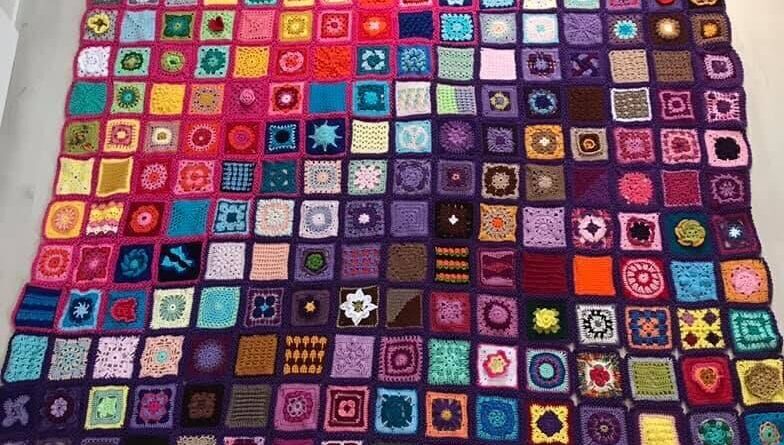
I appreciate quilts like this one that draw our attention. In several of my home’s spaces, I can envision it. For instance, I have a garden where I enjoy my coffee and vitamin D every morning, but my outside chairs are quite uncomfortable. I’ve been considering adding a blanket to make them more comfortable for days, and this would be the ideal choice because it would go perfectly with the red and white roses I have in my yard. It would undoubtedly improve the atmosphere’s harmony and comfort.

I realize that a blanket like this is worth a bigger expenditure since the more threads it has, the more vibrant and cheery it is. However, it is completely adjustable; neutral hues would be stylish if you were to go for something more understated and understated.

A delightful and adaptable crochet project is a blanket made of crocheted flowers. They are great for use as a blanket, tablecloth, beach towel, or anything else you choose and can be manufactured in any size and color. The crochet stitches are easy to master, making this project suitable for both novices and more seasoned crocheters. Make a crochet flower blanket if you want a unique and entertaining way to bring color to your house.

🧵 Recommended Yarn & Crochet Hooks

Choosing the right yarn and hook size is essential to achieve the beautiful stitch definition that makes the Persian Tiles blanket so striking.

Recommended Yarn
Stylecraft Special DK – a soft and affordable acrylic yarn widely used for this pattern.

🛒 View yarn options on Amazon

Recommended Hook
A 4.0 mm ergonomic crochet hook works best with DK yarn for this project.

🛒 Check ergonomic crochet hook sets

Not sure which crochet hook to choose?
Check our complete Crochet Hook Size Chart to understand US and metric hook sizes.

🧮 Estimated Materials & Cost

Many crocheters wonder about the investment before starting such a detailed project. Here’s an approximate breakdown (based on U.S. pricing):

  • Yarn – 8–10 skeins of DK weight yarn (100g each) for a throw-size version. Price range: $5–7 per skein → $40–70.
  • Hook – A comfortable ergonomic 4.0 mm hook if you don’t already own one → around $10.
  • Notions – Stitch markers, tapestry needle, scissors → $10–15.

Total Estimated Cost: $50–95, depending on your yarn choice and whether you expand the blanket to a larger bed-size.

🧺 Care Instructions for a Persian Tiles Crochet Blanket

  1. Gentle Cleaning – Hand wash in cool or lukewarm water with a mild detergent. If machine washing, use a delicate cycle inside a mesh laundry bag.
  2. Avoid Heat – Never use a tumble dryer. Lay the blanket flat on a clean towel or drying rack to air dry naturally.
  3. Shape While Damp – While drying, gently reshape the motifs and edges to maintain the original form. This helps preserve the beauty of the design.
  4. Storage – Keep your blanket in a dry, cool place. Store it folded or rolled inside a breathable cotton bag to prevent dust and moisture buildup.
  5. Sunlight Protection – Avoid prolonged exposure to direct sunlight, as it can fade colors and weaken fibers over time.
  6. Maintenance – Inspect the blanket occasionally for loose ends or fraying. Weave in yarn tails securely or repair small issues before they worsen.

✨ Extra tip

If it’s cotton or acrylic, care is easier, but still follow the “no dryer” rule to avoid stretching.

If your blanket is made with wool yarn, consider using a gentle wool wash and add a lavender sachet when storing to protect against moths.


🧩 Persian Tiles Crochet Pattern Overview

The Persian Tiles crochet pattern is made from a set of beautiful floral-inspired motifs that are joined together to form a square blanket.

Key steps:

  1. Create individual motifs in a mix of colors
  2. Block the motifs (optional but highly recommended)
  3. Seam the motifs together
  4. Add a border for a polished finish

💡 Tip: Use a yarn needle or flat braid join technique for clean seams.

🌟 Benefits of Crocheting a Persian Tiles Blanket

Crocheting a Persian Tiles Blanket is more than just completing a stunning project — it offers both creative satisfaction and personal benefits. This iconic crochet design, inspired by traditional Persian mosaics, allows you to experiment with bold colors, intricate motifs, and endless variations. Whether you want a baby blanket, a cozy throw, or a full bedspread, the Persian Tiles pattern is versatile and rewarding.

The process of working on detailed motifs can also reduce stress and bring a sense of calm, much like meditation. Each stitch helps quiet the mind, making crochet an excellent hobby for relaxation and mindfulness. At the same time, learning to master a complex pattern like Persian Tiles Crochet challenges your brain, improving memory, focus, and concentration.

For many makers, this blanket becomes more than a personal project — it can also be a valuable item to gift or sell. Handmade Persian Tiles blankets are highly admired and can generate extra income if you choose to share your work with others.

Image / Tutorial /Pattern – Persian Tiles Crochet Blanket Pattern

📌 Save This Persian Tiles Crochet Pattern!

Don’t forget to pin this post or bookmark it for your next cozy project.
You can also join our email list to receive free crochet patterns weekly. 🎁

👉 Join our newsletter


Trending Uses for the Persian Tiles Blanket in 2025

The Persian Tiles crochet pattern continues to be one of the most loved blanket designs worldwide, but in 2025 crocheters are giving it fresh interpretations. Many makers are now searching for ways to access a Persian Tiles crochet pattern free, while others look for a convenient Persian Tiles crochet pattern PDF free version to download and save offline.

One noticeable trend is the rise of the Easy Persian Tiles blanket, where beginners adapt the motif with simplified stitches and fewer color changes. This allows newcomers to enjoy the beauty of the pattern without feeling overwhelmed. At the same time, experienced crocheters are pushing boundaries by turning the design into bedspreads, shawls, and even fashion accessories.

Whether you prefer following a traditional chart, a free tutorial, or a PDF version, the versatility of the Persian Tiles blanket ensures it stays relevant and inspiring year after year.


❓ FAQ – Persian Tiles Crochet Blanket

Q: How long does it take to make?

Expect 1–2 weeks depending on your pace. It’s a relaxing, repeatable project.

Q: Can I use cotton yarn instead of acrylic?

Absolutely — just check the gauge. Cotton gives a more structured feel.

Q: How many yarn skeins do I need?

Approx. 8–10 balls of DK-weight yarn (100g each), depending on your color choices.

Q: Can I turn this into a larger blanket?

Yes — simply increase the number of motifs and rows before the border.

Q: How many skeins of yarn do I need for a large Persian Tiles blanket?

A: For a queen-size blanket (~90 × 90 in), expect to use between 16–20 skeins of DK weight yarn (100g each), depending on your gauge and border width.

Q: What is the best way to join the motifs without creating bulky seams?

A: A flat braid join or invisible whip stitch works beautifully. Blocking each motif before joining will also help keep the blanket smooth and even.

Q: Can I wash a Persian Tiles blanket in the machine?

A: Yes, but always choose a gentle cycle, cold water, and mild detergent. Lay flat to dry to avoid stretching and fading.

Q: Is this project beginner-friendly?

A: The Persian Tiles pattern is considered intermediate. It uses a mix of stitches, color changes, and motif joining techniques. Confident beginners could attempt it with patience, but it’s recommended for crocheters with some experience.

Q: What hook size works best for Persian Tiles Crochet pattern?

A: Most versions call for a 4.0 mm hook with DK yarn. If your tension is naturally loose, try a 3.5 mm hook to keep motifs firm.


🧶 Where to Get the Official Persian Tiles Pattern

The Persian Tiles crochet pattern was designed by Janie Crow and is protected by copyright.

To support the designer and access the official instructions, charts, and color guides, visit the original pattern sources through the unlock button below.

📥 Download or View the Free Persian Tiles Crochet Pattern

To access the sources below, please watch a short ad first:

The pattern links will appear automatically after the ad. Thank you for supporting Patterns Here 💕


🔗 Related Patterns You Might Love


💬 Final Thoughts

The Persian Tiles Crochet Blanket is not just a project — it's a piece of art. Whether you're making it as a gift or keeping it for yourself, you're bound to fall in love with every stitch.

Tag us @patternshere on Instagram or Pinterest if you make yours — we’d love to see it!

Flower Granny Squares Crochet Pattern – Bright & Beautiful Floral Motifs for Your Next Project

Introduction

Flower Granny Squares are a timeless and charming crochet pattern that combines the classic granny square technique with a vibrant floral twist. Perfect for blankets, scarves, bags, or even garments, these squares add a pop of color and texture to any project.

Whether you’re a beginner eager to try something new or an experienced crocheter looking for a quick and rewarding motif, Flower Granny Squares offer a versatile and visually stunning option.

In this post, you’ll find a detailed guide on how to crochet these lovely floral motifs, plus tips for selecting yarns, color combos, and ways to join your squares for a beautiful finished piece.


Materials Needed


Pattern Overview

The Flower Granny Square combines basic crochet stitches with a floral center that “blooms” in the middle of the square. It uses:

  • Chain (ch)
  • Slip stitch (sl st)
  • Single crochet (sc)
  • Double crochet (dc)

The pattern is worked in rounds, starting from the flower center and expanding outward with colorful petals and classic granny square clusters.

flower granny squares
Image / Pattern / Tutorial – Flower Granny Squares

Step-by-Step Instructions

Round 1: Flower Center

  • Start with a magic ring.
  • Chain 3 (counts as first dc), then work 11 dc into the ring. Join with sl st to top of chain 3. (12 dc total)

Round 2: Petals

  • Switch to the second color.
  • Chain 3, skip 1 dc, sl st in next dc. Repeat around for 6 petals.

Round 3: Petal Build-Up

  • Work 3 dc into each chain-3 space from previous round to build petals.

Round 4: Granny Square Corners

  • Switch to the third color.
  • Work 3 dc, ch 2, 3 dc in each petal gap for corners.

Round 5: Final Round

  • Fill the sides between corners with 3 dc clusters separated by ch 1. Join and fasten off.

Tips and Tricks

  • Color Combinations: Pick contrasting colors for petals and background to make the flower pop.
  • Tension: Keep stitches even to maintain square shape.
  • Joining Squares: Use slip stitch join or whip stitch to assemble your project seamlessly.
  • Blocking: Lightly block finished squares to straighten edges and improve appearance.

FAQ

Q: Can I adjust the size of the square?
A: Yes! Use thicker yarn and bigger hooks for larger squares, or smaller yarn/hooks for smaller motifs.

Q: Is this pattern beginner-friendly?
A: Definitely! The stitches are basic, and rounds build gradually, making it perfect for beginners.

Q: How do I join the squares?
A: There are many joining methods — slip stitch join, whip stitch, or even crocheting squares together.

Q: Can I make a blanket with these squares?
A: Absolutely! Just make enough squares and join them for a cozy, colorful blanket.


Download Pattern

You can access the complete Flower Granny Squares Pattern Here.


Related Patterns You Might Like


Affiliate Links for Your Convenience

Some of the links on this site are affiliate links. If you make a purchase through these links, we may earn a small commission at no extra cost to you.


Final Thoughts

Flower Granny Squares are a delightful way to add floral charm to your crochet projects. Their versatility, ease, and vibrant look make them a favorite among crocheters of all skill levels.

Start creating your own garden of crochet squares today!

Primavera Flowers Granny Square – Colorful Crochet Pattern PDF for Cozy & Fun DIY Projects

Bring spring vibes to your projects with the Primavera Flowers Granny Square Crochet Pattern PDF! This pattern transforms yarn into vibrant floral squares perfect for blankets, cushions, and more. With step-by-step instructions, diagrams, and helpful tips, this Primavera Flowers Granny Square Crochet Pattern PDF is designed for beginners and experienced crocheters alike.

Whether you want to brighten your home décor, make a handmade gift, or enjoy a relaxing crochet session, the Primavera Flowers Granny Square Crochet Pattern PDF offers endless creative possibilities.


Why You’ll Love the Primavera Flowers Granny Square Crochet Pattern PDF

The Primavera Flowers Granny Square Crochet Pattern PDF is not just another pattern:

  • Bright & Cheerful Design: Each square has a lively floral motif perfect for springtime projects.
  • Skill Enhancement: Learn color changes, reading charts, and joining techniques.
  • Customizable: Adjust the number of squares and colors to match your style.
  • Relaxing & Therapeutic: Enjoy a soothing crafting experience with each stitch.

With this Primavera Flowers Granny Square Crochet Pattern PDF, your crochet session becomes fun, productive, and colorful.


Materials Needed for the Primavera Flowers Granny Square

To create the Primavera Flowers Granny Square, you’ll need the following essential tools and yarns:

  • Vibrant Cotton Yarn: Soft DK or worsted weight yarn in multiple bright colors. Use this premium cotton yarn for a soft and durable finish.
  • Crochet Hook (3.0mm – 3.5mm): A smooth, ergonomic hook helps maintain even tension. Recommended: ergonomic crochet hook.
  • Tapestry Needle: Perfect for weaving in ends and joining squares. Check out this needle set.
  • Scissors: Sharp, precise scissors for cutting yarn easily. I use these lightweight scissors.
  • Stitch Markers: Optional but useful for keeping track of rounds and color changes. I recommend these colorful stitch markers.

Pro Tip: Buy a little extra yarn in each color to avoid running out mid-project. This is especially important for floral motifs that use multiple color changes.

👉 Click Here to see the full pattern here.

Primavera Flowers Granny Square Crochet Pattern PDF

Abbreviations & Techniques

Before starting your Primavera Flowers Granny Square, make sure you’re familiar with these abbreviations:

  • ch – chain
  • sc – single crochet
  • dc – double crochet
  • sl st – slip stitch
  • st – stitch
  • inc – increase
  • dec – decrease

Techniques to Master:

  1. Magic Ring: Ensures a neat center for each flower.
  2. Color Changes: Learn to switch colors smoothly for vibrant motifs.
  3. Joining Squares: Use slip stitch or whip stitch for clean connections.
  4. Blocking: Essential for uniform and flat squares.

Pro Tip: Arrange your squares before joining to plan the color layout and achieve a balanced blanket.


Step-by-Step Instructions Overview

Creating Flower Squares

  1. Begin with a magic ring to form the center of the flower.
  2. Follow the color-coded rounds to form petals.
  3. Repeat to create the number of squares you need for your blanket.

Joining Your Squares

  1. Lay squares flat to plan a visually balanced layout.
  2. Join squares using slip stitch or whip stitch.
  3. Ensure joins remain flat to keep your blanket smooth.

Adding Borders

  1. Add a simple or decorative border to unify all squares.
  2. Optional: add scalloped edges for a more playful look.

Pro Tip: A contrasting border color enhances the flower motifs and makes the blanket pop.


Customization Tips for the Primavera Flowers Granny Square Crochet Pattern PDF

  • Colors: Pick a palette that suits your style – bright, pastel, or neutral.
  • Size: Adjust the number of squares for a small throw, lapghan, or full-size blanket.
  • Extra Flair: Add fringe, textured stitches, or decorative borders.
  • Yarn Choice: Cotton for softness, blends for texture and sheen.

Common Mistakes to Avoid

  1. Skipping Gauge Check: Leads to uneven squares.
  2. Inconsistent Tension: Causes warped or misshaped motifs.
  3. Neglecting Blocking: Squares may curl or misalign.
  4. Random Color Placement: Can disrupt visual balance.

Pro Tip: Crochet a test square to check gauge and plan your color layout before starting your Primavera Flowers Granny Square Crochet Pattern PDF.


FAQs – Primavera Flowers Granny Square Crochet Pattern PDF

Q: Is this pattern beginner-friendly?
A: Yes! The Primavera Flowers Granny Square Crochet Pattern PDF includes step-by-step instructions and diagrams.

Q: How long to complete a blanket?
A: Approximately 15–25 hours depending on size and experience.

Q: Can I sell finished items?
A: Yes! You may sell your handmade creations but not the PDF itself.

Q: Can I change yarn brands or colors?
A: Absolutely! Just check gauge and consider the color effect on motifs.

Q: How to care for my finished blanket?
A: Hand wash in cold water, lay flat to dry, avoid direct heat.


Practical Tips for a Smooth Crochet Experience

  1. Lay out squares to plan color balance.
  2. Make a gauge swatch to ensure proper size.
  3. Plan your color palette ahead for harmony.
  4. Block all squares for uniformity.
  5. Maintain consistent tension for neat stitches.
  6. Take breaks to prevent hand fatigue while working on the Primavera Flowers Granny Square Crochet Pattern PDF.

See Also – Related Patterns


Crocheting the Primavera Flowers Granny Square is a fun, colorful, and rewarding project. With this pattern, you’ll create a blanket that radiates springtime energy and brings joy to your home. Start your Primavera Flowers Granny Square Crochet Pattern PDF today and enjoy the process of making something beautiful!

🧵 Free Crochet Flower Bucket Hat Pattern – Easy & Stylish DIY Tutorial

Are you ready to crochet the cutest bucket hat of the season? This Crochet Flower Bucket Hat Pattern is the perfect summer project – it’s fun, floral, and beginner-friendly! Whether you want to elevate your warm-weather style or create a unique handmade gift, this pattern is a must-try. In this post, you’ll find step-by-step instructions, materials needed, helpful FAQs, and affiliate links to make your experience even smoother.

For sure you will fall in love with this pattern, I have two daughters and they went crazy when they saw it, they use it to go to school every day. But of course it is not such a youthful pattern, it serves for all ages and has become a fever all over the world. They are stylish and you can make them with the colors and the way you think is best, to match your style, be it more colorful or more discreet and this customization is totally possible.


🌼 Why You’ll Love This Crochet Flower Bucket Hat

This hat is inspired by the viral floral bucket hats that have taken over Pinterest and Instagram. Featuring colorful flower motifs joined seamlessly into a stylish brimmed hat, this pattern is ideal for:

  • Spring and summer fashion
  • Unique handmade gifts
  • Leftover yarn projects
  • Festival and beachwear

Whether you’re a beginner or a seasoned crocheter, you’ll love how quickly this hat comes together.


📋 Materials & Tools Needed

Yarn and Hook

Accessories

This post contains Amazon affiliate links. I may earn a small commission at no extra cost to you.


✒️ Abbreviations & Stitches Used

  • ch = chain
  • sc = single crochet
  • dc = double crochet
  • tc = treble crochet
  • tc2tog = 2 treble crochets together
  • tc3tog = 3 treble crochets together
  • ss = slip stitch

📚 Pattern Instructions: Crochet Flower Bucket Hat

Step 1: Crochet the Flower Motifs (Make 5)

Round 1 (Center): With yellow, ch 3, work 11 dc into the ring. Join with ss to top of first dc (12 sts).

Round 2 (Petals): Switch to white. (tc3tog, ch 2) in each st around to form 12 petals. Join.

Round 3 (Border): Switch to main color. Ch 1, work 1 sc in each ch-2 space and around petals evenly (approx. 36 sc). Join.

Step 2: Join Motifs to Form the Side

Use the join-as-you-go method or whip stitch the motifs into a ring to form the hat’s sideband.

Step 3: Crochet the Top of the Hat

Join yarn to the top edge of one flower. Work in rounds of dc:

  • Round 1: dc evenly around (approx. 60-64 sts)
  • Round 2-6: continue in dc, increasing slightly if needed to create a dome.

Step 4: Crochet the Brim

Work rounds in dc:

  • Round 1: dc in each st, no increase
  • Round 2: 2 dc in next st, 1 dc in next 2 sts around
  • Rounds 3-6: continue increasing every few stitches to widen brim.
  • Fasten off and weave ends.

📹 Complete Tutorial

If you prefer visual instructions, check out this video tutorial that shows a similar flower hat step-by-step. Or the complete PDF here the Flower Bucket Hat Pattern.


❓ FAQs: Flower Bucket Hat Pattern

Q: Can beginners make this hat?
A: Yes! The flower motifs use simple stitches, and you can follow the video for extra help.

Q: How do I adjust the size?
A: Add extra rounds to the top of the hat for a larger fit, or reduce motif size for children.

Q: Can I use acrylic yarn?
A: Yes, but cotton yarn holds its shape better, especially for summer wear.

Q: Can I sell hats made with this pattern?
A: Yes, feel free to sell finished items! Just don’t resell or distribute the pattern itself.


🔍 Recommended Posts


🚀 Final Thoughts

Now that you have everything you need to create this adorable crochet flower bucket hat, it’s time to bring those floral dreams to life! This project is great for stash-busting and will keep you stylish all summer long.

Don’t forget to share your creations on Instagram and Pinterest – and tag us @patternshere!

Caron Half & Half Crochet Cardigan – Free Granny & Battenberg Tutorial

The Caron Half & Half Crochet Cardigan is the perfect mix of comfort, color, and creativity. Combining the timeless granny square with the airy Battenberg stitch, this cardigan offers texture and visual interest in one project. If you love garments that are fun to make and easy to wear, this free cardigan pattern is a must-try.

In this in-depth guide, we’ll cover everything: yarn selection, size adjustments, assembly, blocking, troubleshooting, styling ideas, and tips to get a professional finish. By the end, you’ll have a handmade cardigan that turns heads.


🧵 Why Crocheters Love the Caron Half & Half Crochet Cardigan

This cardigan stands out because it’s a half-and-half design: one side is made from colorful granny squares, the other from the light, lacy Battenberg stitch. This creates a unique split look that’s modern and fun to wear.

  • Play with color: Choose a rainbow of shades for the granny side or stick to neutrals for a minimalist vibe.
  • Adjustable length: Make it cropped, hip-length, or long-line.
  • Beginner-friendly techniques: If you can crochet granny squares and follow a basic stitch repeat, you can make this sweater.

🧶 Materials & Yarn Requirements

You’ll need:

  • Yarn: Worsted weight (#4) like Caron Simply Soft, Caron One Pound, or Red Heart Soft.
  • Colors: At least two — one for the granny side, one for Battenberg, or go multicolor.
  • Hook: G/6 (4.0 mm) or size needed for gauge.
  • Notions:
    • Yarn needle for seaming and weaving ends
    • Stitch markers to keep panels aligned
    • Scissors
    • Blocking mat + pins

Approximate Yardage

SizeYardage
XS/S1,300–1,500 yds
M/L1,500–1,700 yds
XL/XXL1,700–1,900 yds

✂️ Sizing & Customization

This Caron Half & Half Crochet cardigan is designed with a relaxed fit, making it easy to adjust:

  • Body length: Add or remove rows from the Battenberg panel.
  • Width: Add more granny squares across the back for extra ease.
  • Sleeves: Choose cropped, ¾, or full-length sleeves.
  • Edging: Finish with ribbing, single crochet, or decorative shell edging.
Caron Half & Half Crochet Cardigan Pattern
Pattern Image/Tutorial – Caron Half & Half Cardigan Crochet

🪡 Step-by-Step Caron Half & Half Crochet Cardigan Pattern

  1. Make Granny Squares: Work the required number for your size, using 3 dc clusters separated by chain spaces.
  2. Block Squares: Lightly steam or wet block them for perfect size and shape.
  3. Join Squares: Use join-as-you-go or seam with whip stitch for a smooth finish.
  4. Battenberg Panel: Crochet rows until they match the granny panel width.
  5. Seam Panels: Whip stitch or slip stitch seam along the long edges.
  6. Add Sleeves: Seam shoulders, attach sleeves, and work evenly around armholes.
  7. Edge & Finish: Add button band or border, weave in ends, block entire piece.

Access the Complete Caron Half & Half Crochet Cardigan PDF Pattern for FREE.


🪡 Stitch Guide

Granny Squares: Work in rounds with clusters of 3 dc separated by chain spaces. Perfect for using up scraps and experimenting with color placement.

Battenberg Stitch: A simple 2-row repeat: dc, ch 1, skip st, dc for an airy fabric. Great contrast to the dense granny squares.


🧼 Blocking Guide

Blocking is crucial for garments:

  1. Soak pieces in lukewarm water with wool wash.
  2. Press water out gently with a towel.
  3. Lay flat on a blocking mat, shape to measurements.
  4. Pin edges straight, let dry completely.
  5. Block again after seaming for the final perfect fit.

🔧 Troubleshooting & Fixes

  • Cardigan too wide: Use smaller hook size or block gently to reduce width.
  • Panels don’t match: Add or remove rows from Battenberg until lengths are equal.
  • Curling edges: Add a border of sc or crab stitch to stabilize.
  • Ran out of yarn: Make sleeves a contrast color or turn them ¾ length.

🎨 Styling & Outfit Ideas

This Caron Half & Half Crochet cardigan is incredibly versatile:

  • Pair with jeans and a simple tank for a casual weekend look.
  • Wear over a dress and belt it at the waist for a polished outfit.
  • Choose pastel colors for spring, earthy tones for autumn, or bright rainbow for festival season.
  • Add statement buttons to dress it up.

🛒 Recommended Tools & Affiliate Picks

ToolWhy It HelpsOur Pick
Ergonomic Hook SetPrevents hand strain[Affiliate Link]
Blocking KitEssential for neat panels[Affiliate Link]
Yarn BowlKeeps yarn tangle-free[Affiliate Link]
Sweater Clips or ButtonsAdd closure options[Affiliate Link]

As an Amazon Associate, we may earn from qualifying purchases at no cost to you.


🔗 Related Crochet Patterns


🌍 External Resources


❓ Expanded FAQs

Q1: Is this beginner friendly?
Yes — start with granny squares first. Once confident, add the Battenberg panel.

Q2: What yarn is best?
Soft acrylic or cotton blends for comfort and drape. Avoid very stiff yarns.

Q3: Can I make this with DK yarn?
Yes, but check gauge — you may need more squares and rows.

Q4: How to make it oversized?
Add extra granny squares or increase panel length.

Q5: How do I care for my cardigan?
Machine wash on gentle, lay flat to dry, re-block if necessary.


📣 Join the Crochet Community

Loved this Caron Half & Half Crochet Cardigan tutorial?

  • Follow us on Facebook: Facebook Page
  • Pin this post on Pinterest: perfect inspiration for later.
  • Subscribe to our newsletter: get free patterns, yarn tips, and tutorials weekly.

For Cat Lovers – 4 Free Crochet Cat Patterns (Rug, Pillows, Square & Coasters)

Calling all makers with a soft spot for whiskers and paws! This guide brings together four adorable crochet cat patterns you can start today: the Purrrfect Play Rug, Kittens and Puppies for Sale Pillows, Many Cats Square, and the cheeky Cat Butt Coasters. Whether you’re stitching a gift for a cat-obsessed friend or making something cozy for your own home, these free crochet cat patterns are beginner-friendly, stash-busting, and seriously fun.

Below you’ll find yarn suggestions, quick construction notes, sizing ideas, care tips, and creative variations to make each pattern your own. We’ve also added affiliate picks for tools and materials to speed up your shopping, plus FAQs, internal links to more crochet content on your site, and external resources for further inspiration. By the end, you’ll have everything you need to choose a project, prep your yarn, and get hooking!


Why these crochet cat patterns work

Cat-themed pieces are always popular because they’re:

  • Giftable (birthdays, housewarmings, adoption anniversaries).
  • Customizable (change colors, faces, borders, and text).
  • Scrap-friendly (use small amounts of color for ears, noses, paw prints).
  • Quick wins (coasters and squares are great weekend makes).

These four crochet cat patterns also cover different use cases—home décor, practical items, and motif building—so you can pick the project that fits your time and yarn stash.


Supplies & yarn (quick guide)

  • Yarn: Worsted (#4) acrylic or cotton for durability and easy care; cotton for coasters, acrylic or blends for pillows and rugs.
  • Hooks: 4.0–5.5 mm (G–I), adjust to yarn and gauge.
  • Notions: tapestry needle, scissors, stitch markers; pillow inserts for the pillow pattern; non-slip rug pad or latex backing for the rug.

Tip: For projects that may meet water or heat (coasters), 100% cotton is king. For rugs and pillows, acrylic blends keep colors bright and resist pilling.


Affiliate Starter Kit (optional but helpful)

Tool / MaterialWhy it helpsOur pick (affiliate)
Ergonomic Hook SetLess hand fatigue on larger projectsHook Set
Cotton Yarn MultipackIdeal for coasters & motifsCotton Pack
Worsted Acrylic PackBold color mixes for rugs & pillowsAcrylic Pack
Blocking Mats + PinsShapes squares & motifs perfectlyBlocking Kit
Non-Slip Rug PadKeeps the rug secure on floorsRug Pad

Disclosure: As an Amazon Associate, Patterns Here may earn from qualifying purchases at no extra cost to you.


1) Purrrfect Play Rug (crochet cat rug)

crochet cat patterns rug - Purrrfect Play Rug (crochet cat rug)
Pattern/Image/Tutorial – Purrrfect Play Rug

What it is: A playful, crochet cat patterns rug—great for kids’ rooms, reading nooks, or by a sunny window where your cat naps.
Best yarn: Worsted or bulky acrylic for cushy fabric; held double if you want extra thickness.
Hook: 6.0–8.0 mm for bulkier yarns; swatch first.
Construction:

  • Rug is typically worked in the round, starting from the center (magic ring) and increasing evenly.
  • Ears, nose, whiskers, and face details are added as separate appliqués or surface embroidery.
  • Finish with reverse single crochet (crab stitch) to stabilize the edge.

Safety & floor care:

  • Add a non-slip rug pad underneath or paint a latex backing to prevent sliding.
  • Weave in ends securely; consider duplicate stitching to reinforce high-traffic spots.

Variations:

  • Use marled yarn (two strands held together) for a tweedy “fur” look.
  • Add a pocket for cat toys or a small flat pillow insert for extra loft.
  • Turn the same shape into a round floor cushion by making two panels and stuffing lightly.

2) Kittens and Puppies for Sale Pillows

crochet cat patterns - pillow option
Patterm/Image/Tutorial – Kittens and Puppies for Sale Pillows

What it is: Graphic pillow fronts with kitten and puppy motifs—perfect for mix-and-match animal décor anothr model of crochet cat patterns.
Best yarn: Soft acrylic or acrylic/cotton blend (machine washable).
Hook: 4.0–5.0 mm based on yarn choice and desired fabric density.
Construction:

  • Pillow fronts can be worked in tapestry crochet (color-work chart) or intarsia (separate bobbins for color blocks).
  • Back panel: simple sc/hdc rectangle; seam three sides; insert pillow form; close with slip stitch or add buttons/zipper.
  • Block the front panel lightly for crisp edges before seaming.

Color ideas:

  • Monochrome silhouettes on cream; or bright, pop-art kitties with contrasting backgrounds.
  • Add lettering (e.g., “Adopt,” “Meow,” “Purr”) using surface slip stitch or duplicate stitch.

Upgrade:

  • Add a zipper closure for removable washing.
  • Work a cording edge or pompoms for extra personality.

3) Many Cats Square (cat motif granny square)

crochet cat patterns another pillow option
Pattern/Image/Tutorial – Many Cats Square

What it is: A versatile crochet cat patterns motif square you can repeat into blankets, bags, or wall hangings.
Best yarn: Cotton for crisp stitch definition in motifs; acrylic if you want drape in a blanket.
Hook: 4.0–4.5 mm for clean edges.
Construction:

  • Begin with a standard granny square base or a solid square.
  • Apply cat face/ear appliqués or use tapestry crochet to integrate the face into the square.
  • Join squares with join-as-you-go or seam later; finish with a multi-round border.

Project ideas:

  • Baby blanket with alternating cat squares and solid squares.
  • Tote bag panels (two squares + side gusset).
  • Pillow cover made of 4–9 squares.

Finishing tip:

  • Block each square to the exact same measurement (e.g., 6″, 8″, or 10″) before joining for a pro look.

4) Cat Butt Coasters (fun & functional)

crochet cat patterns suplies
Patteren/Image/Tutorial – Cat Butt Coasters

What it is: The internet-famous, cheeky cat butt coasters—a quick make that always gets a laugh.
Best yarn: 100% cotton (heat- and moisture-tolerant).
Hook: 4.0–4.5 mm for sturdy fabric.
Construction:

  • Work a flat circle in the round for the base; add a small contrast “butt” dot; attach tail as a short chain + sc back down.
  • For a thicker, more absorbent coaster, hold yarn double or add a second circle and sc around both layers to encase.

Finishing:

  • Steam lightly (or block) to make them lay flat.
  • Consider a tiny silicone dot of fabric glue beneath the tail to help it stay in place after washing.

Pro tips for success

  • Gauge matters (a little): For pillows and squares, aim for a firm fabric; for rugs, slightly looser gauge adds drape.
  • Color planning: Keep backgrounds neutral so motifs read clearly. Save brights for ears, noses, and accents.
  • End management: Work over your tails where possible; use a sharp tapestry needle to weave in ends in multiple directions.
  • Blocking: Even a quick steam block squares edges, opens stitches, and elevates the finish on all four crochet cat patterns.

Care & washing

  • Cotton coasters: Machine wash cold, lay flat to dry to maintain shape.
  • Pillows: Remove inserts when possible; wash covers in a mesh bag, gentle cycle.
  • Rug: Spot clean or hand wash; air dry flat; avoid high heat.
  • If you add safety eyes or buttons to any project intended for kids or pets, sew them extremely securely or embroider features for safety.

Internal links (keep readers exploring your crochet library)

Interlinking related crochet content helps Google understand topical coverage and keeps readers on your site longer.


External resources (authoritative & helpful)


FAQs – Crochet Cat Patterns

1) Which yarn is best for these crochet cat patterns?
Use cotton for coasters and motifs that meet heat or moisture; use acrylic or blends for rugs and pillows to keep them soft, light, and washable.

2) Can beginners make these projects?
Yes! The coasters and Many Cats Square are great beginner projects. The rug and pillows are still approachable if you’re comfortable crocheting in the round or trying simple color-work.

3) How do I keep the rug from slipping?
Place a non-slip pad underneath or paint latex rug backing on the wrong side and let it cure fully before use.

4) Can I resize the Many Cats Square?
Absolutely—go up a hook size and thicker yarn for larger squares, or add an extra granny round to hit your target measurement.

5) Are the pillows removable for washing?
We recommend adding a zipper or button band to the pillow back panel so you can wash the cover separately.

6) How many colors do I need for the four projects?
You can do all four crochet cat patterns with a neutrals base (cream/gray/black) plus a small multi-pack of brights for ears, noses, and accents.

7) Can I sell finished items made from these ideas?
In general, yes for small-batch handmade sales, but always check the specific designer’s terms if you’re following a third-party chart or template.


CTA – Join the Patterns Here community

Love these crochet cat patterns? Don’t miss future tutorials and free patterns!

  • Follow us on Facebook: Facebook Page
  • Pin this roundup on Pinterest: save now, stitch later.
  • Subscribe to our newsletter: weekly free crochet patterns, yarn tips, and seasonal projects.